
Medical Website Design for Doctors and Private Practices
A medical website has two jobs: get found when a patient searches Google or asks ChatGPT, and get that patient to book. We build sites that do both, on Lovable, with no plugins for your office to patch, and you own the code and the domain from day one.


Medical Website Design by Doctor Rank
Beautiful, fast websites built to rank on Google and AI search, several of them multi-language. Here are some of the practices we work with. Click any one to see it live.
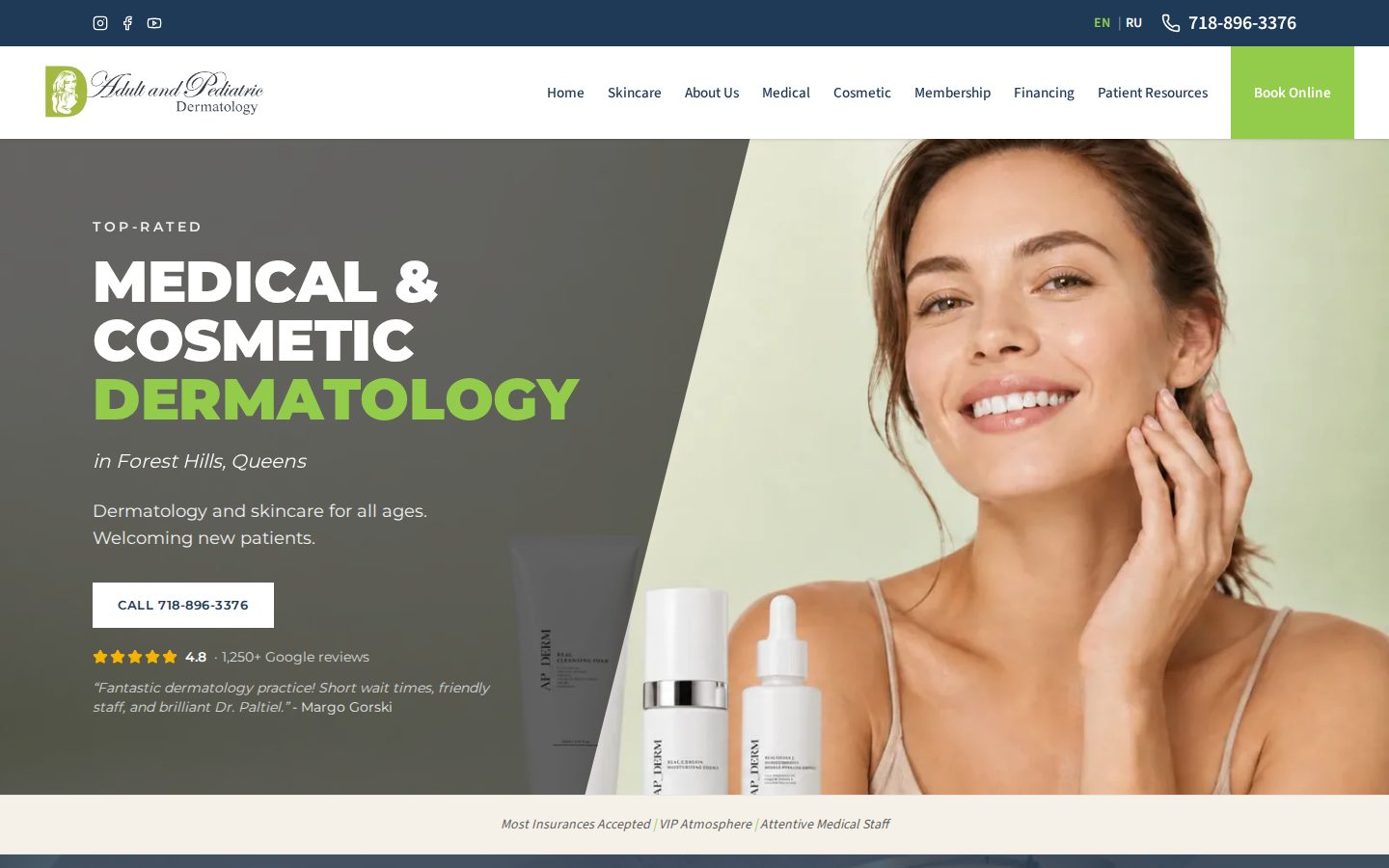
Adult & Pediatric Dermatology
Dermatology
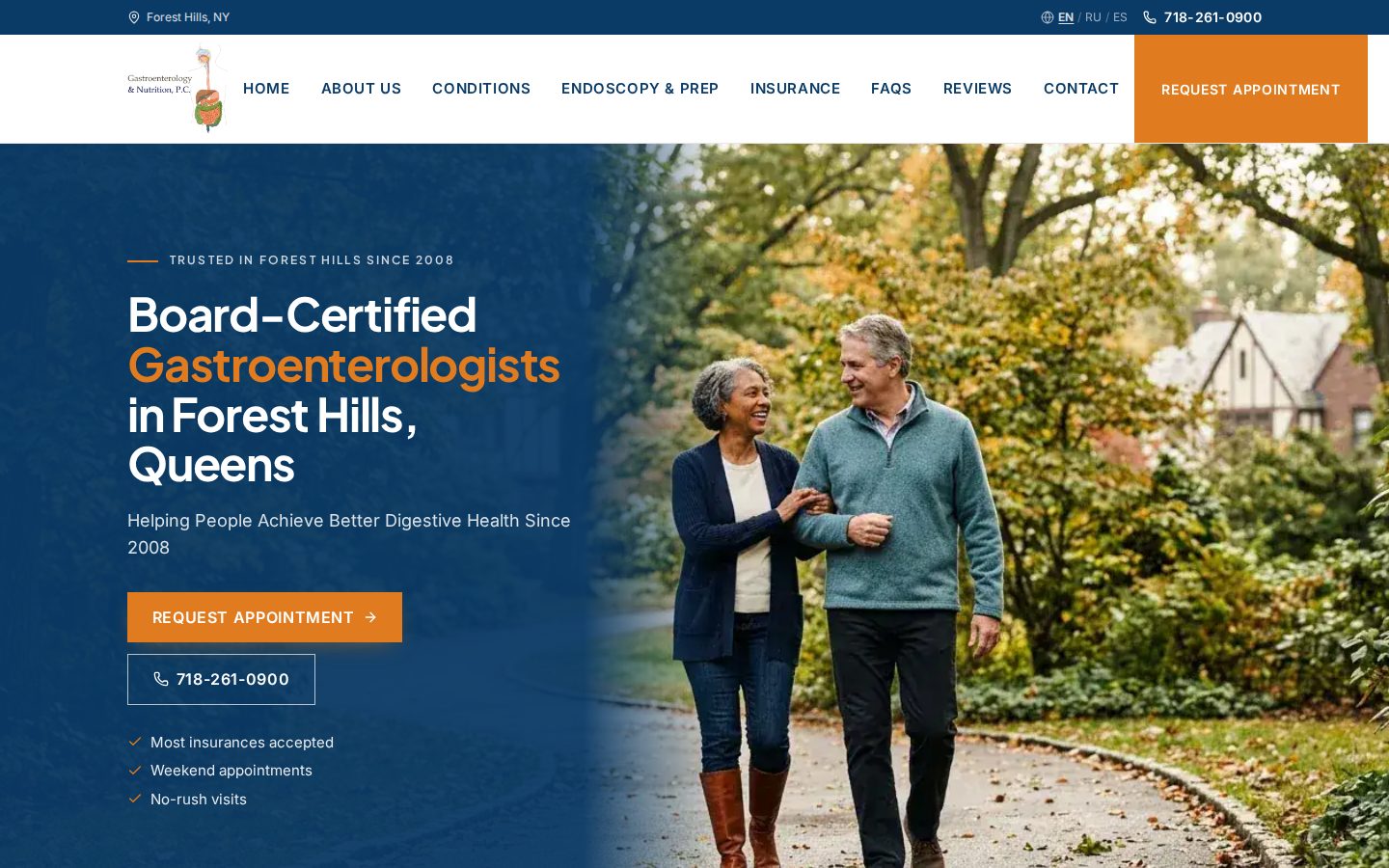
Gastroenterology & Nutrition
Gastroenterology
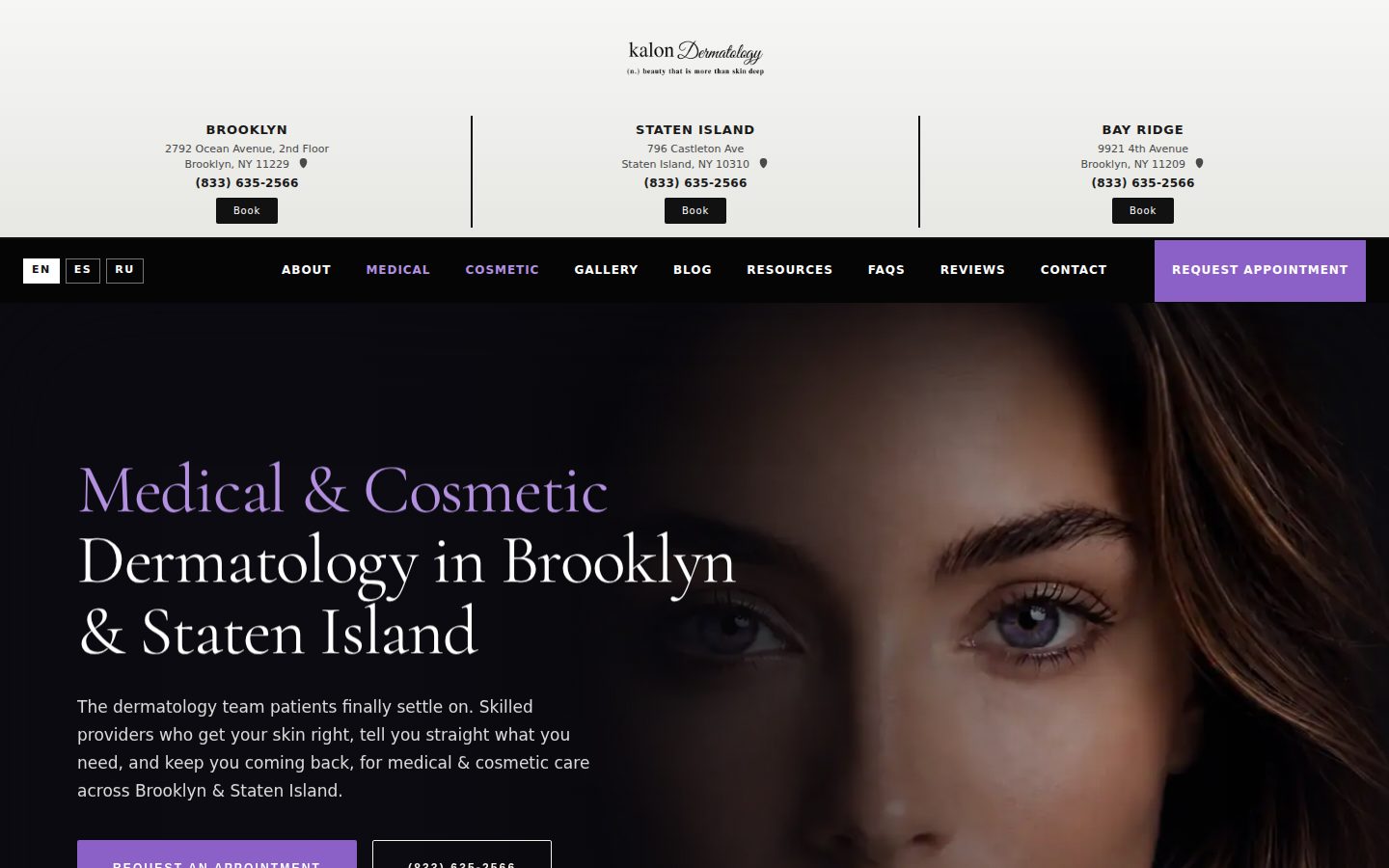
Kalon Dermatology
Dermatology
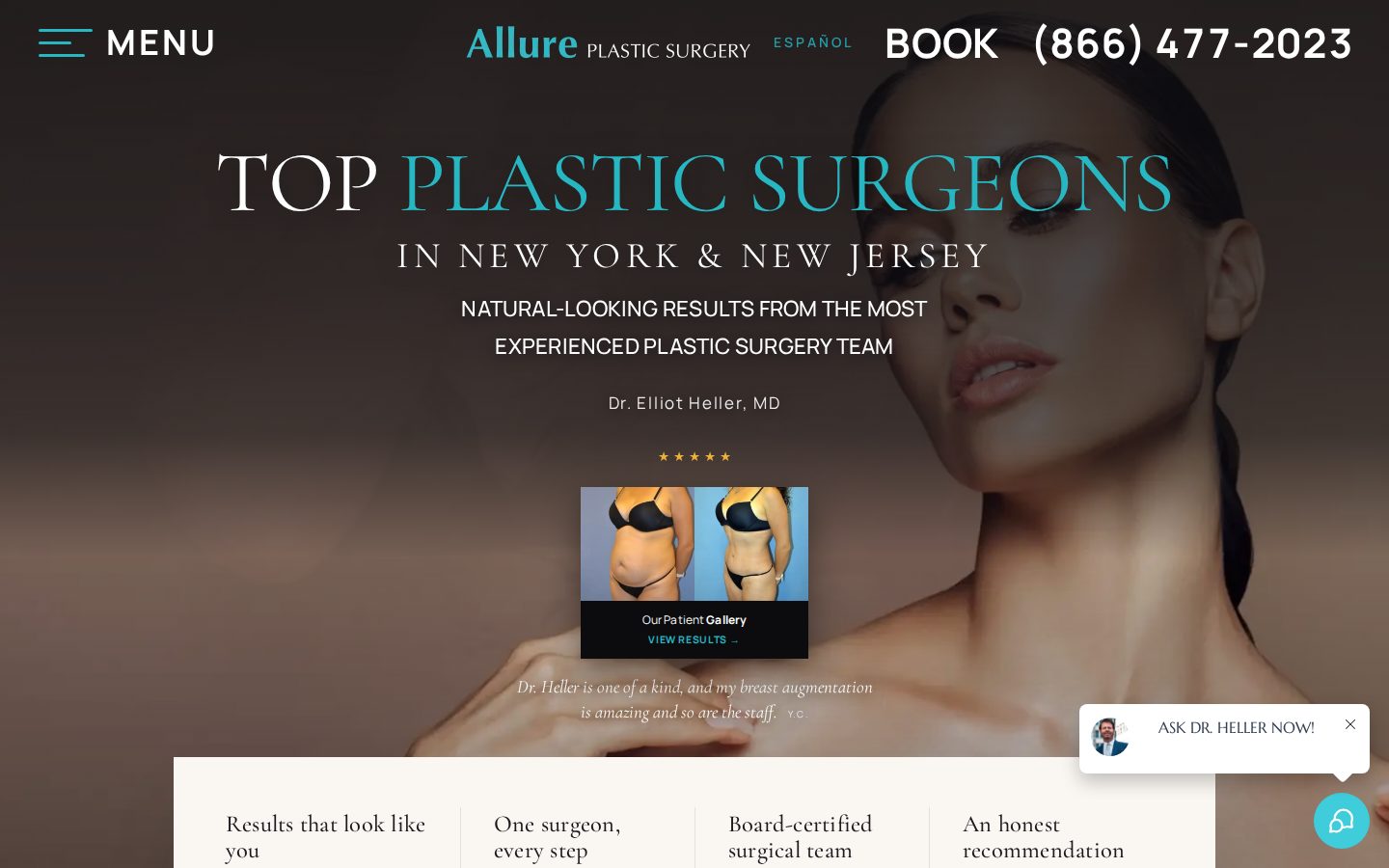
Allure Plastic Surgery
Plastic Surgery

ALGM Beauty Bar
Med Spa
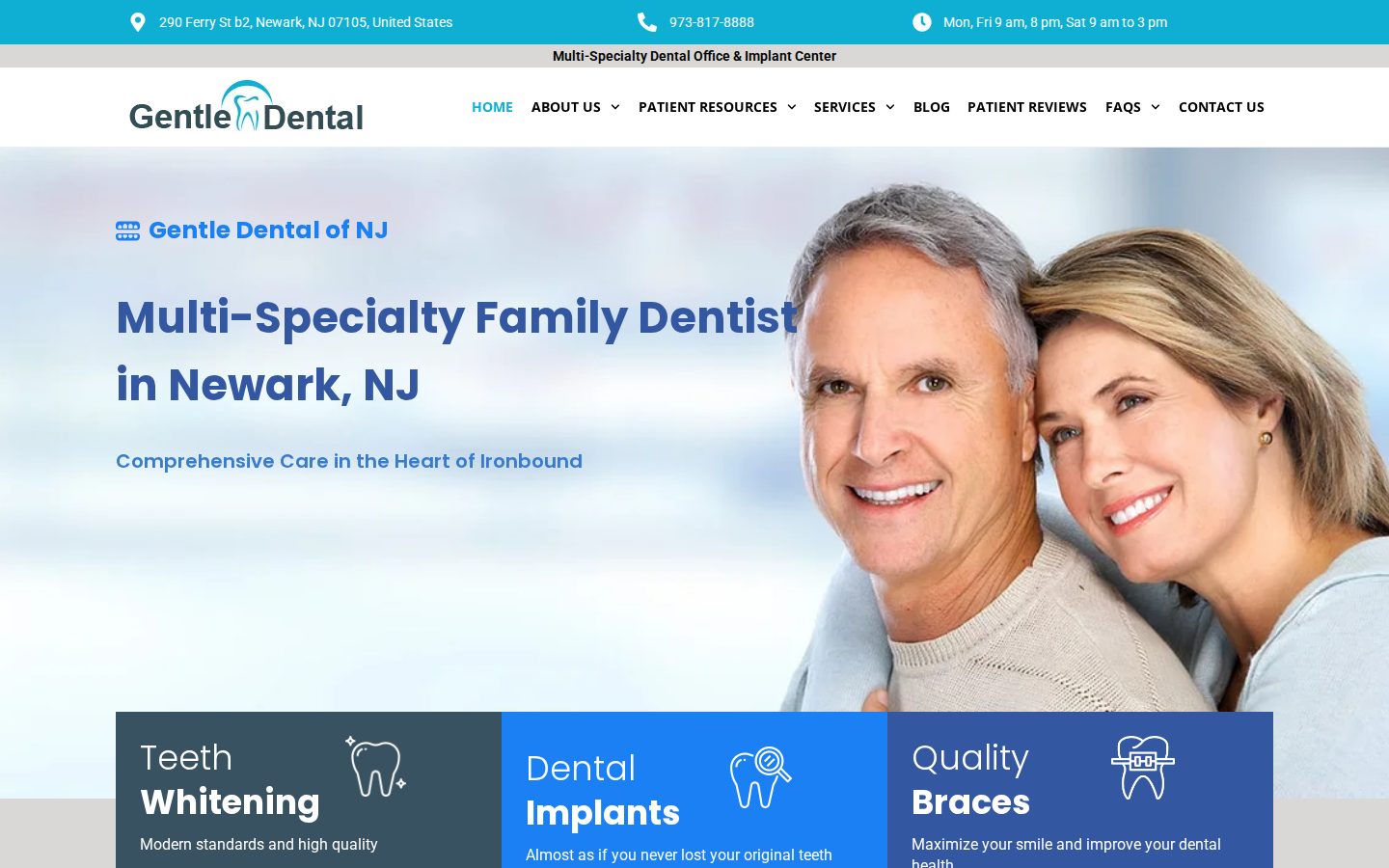
Gentle Dental of NJ
Dental
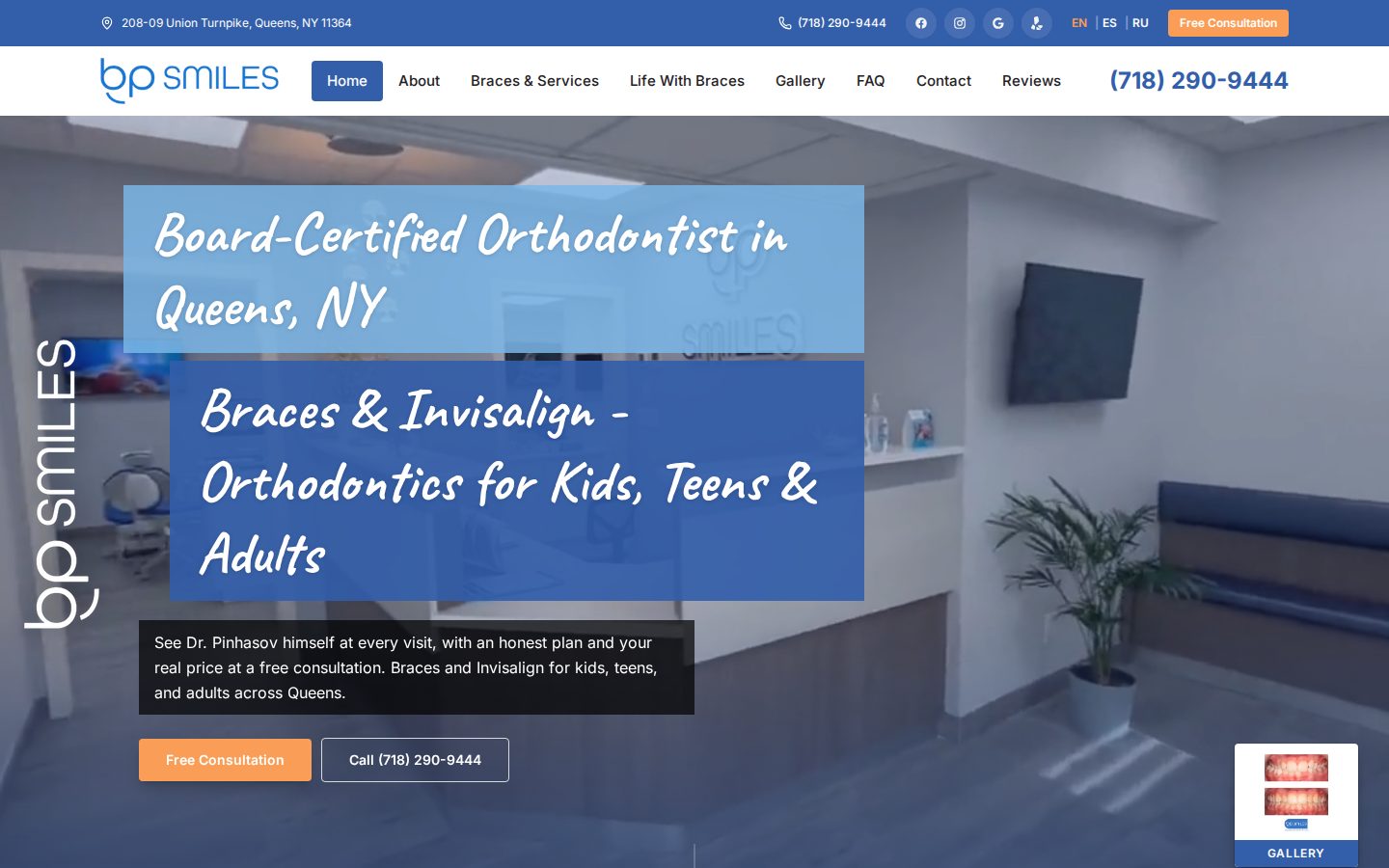
BP Smiles NY
Dental & Orthodontics
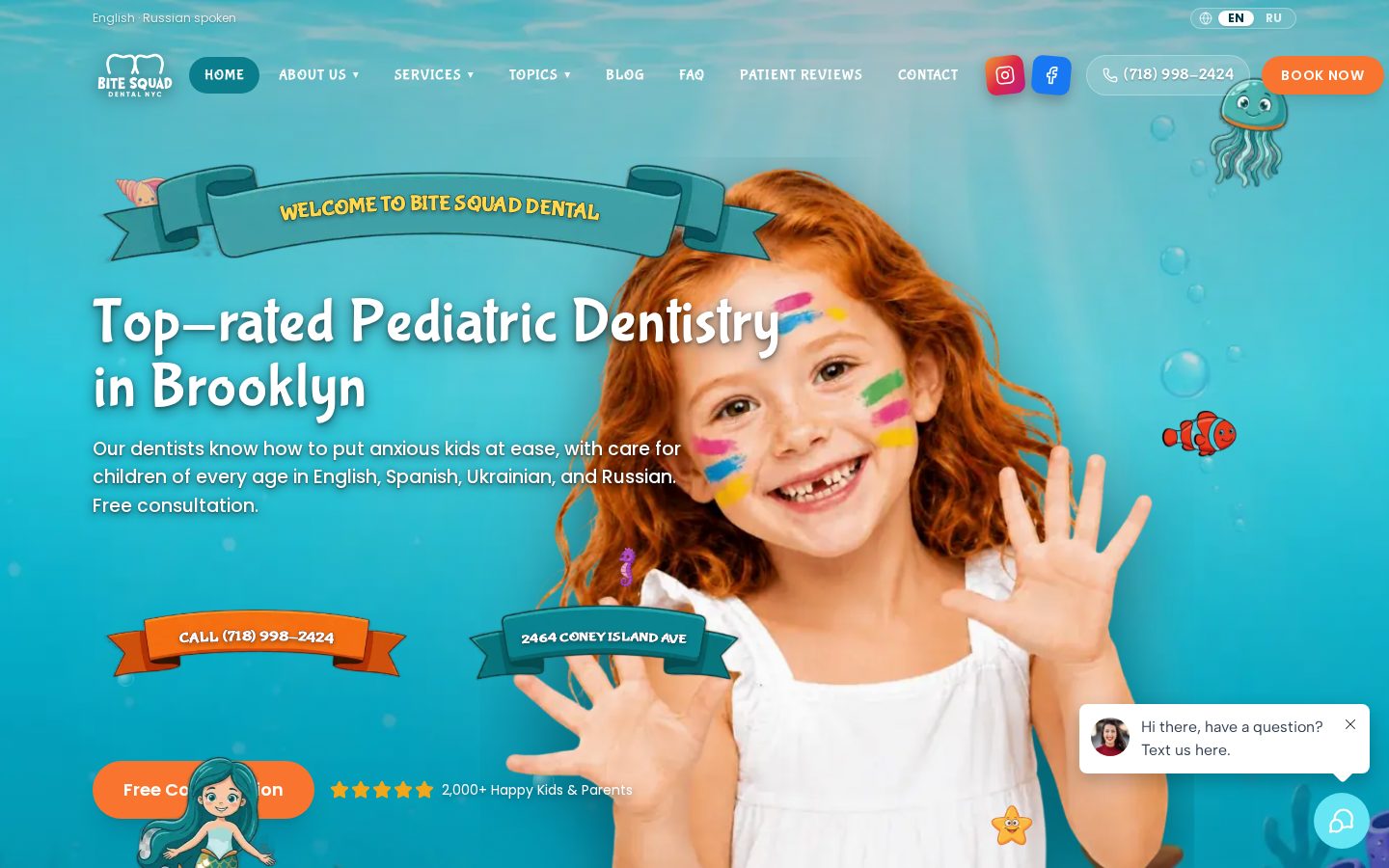
Bite Squad Dental NYC
Dental

Kennedy Psychiatric
Psychiatry
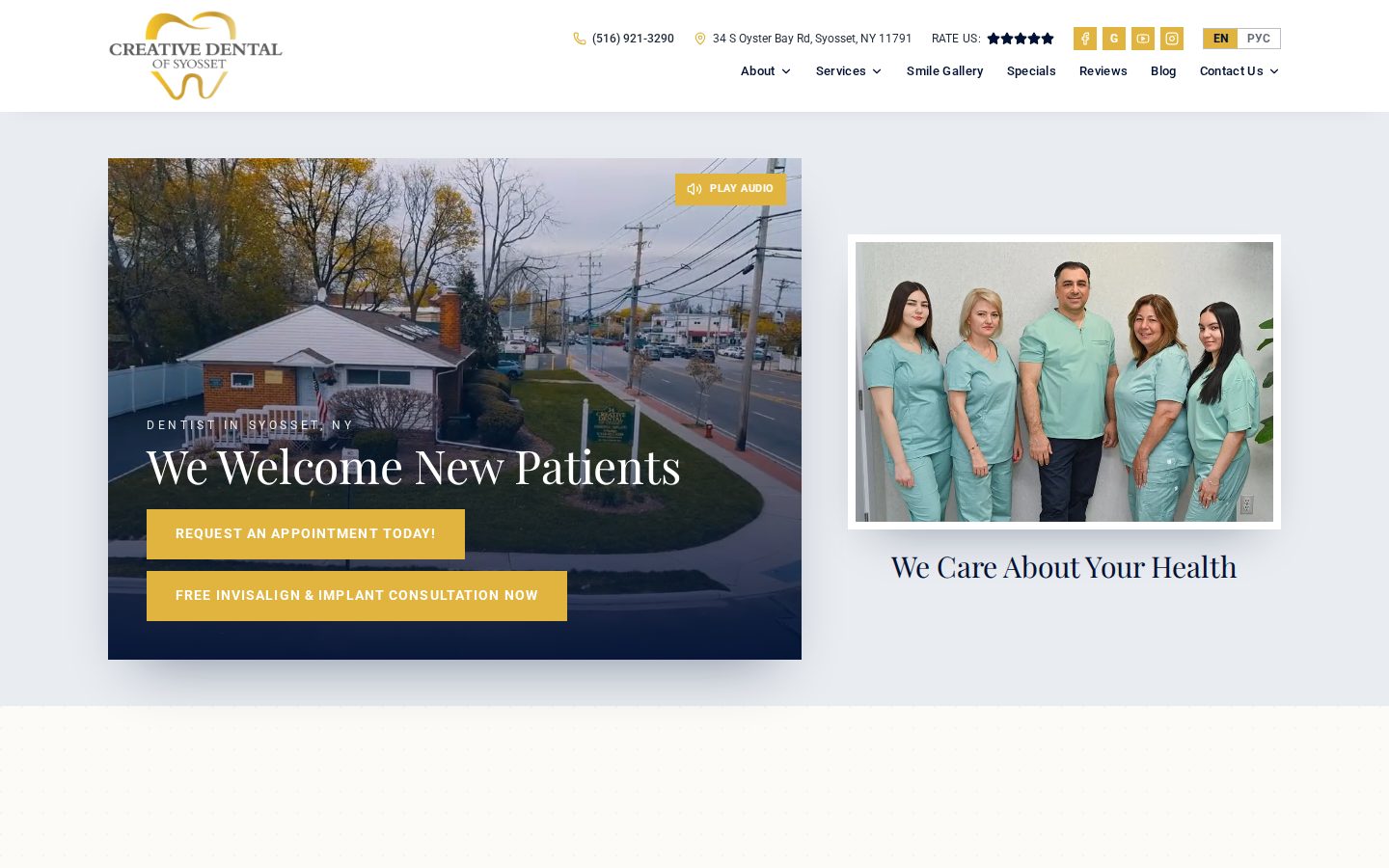
Creative Dental of Syosset
Dental
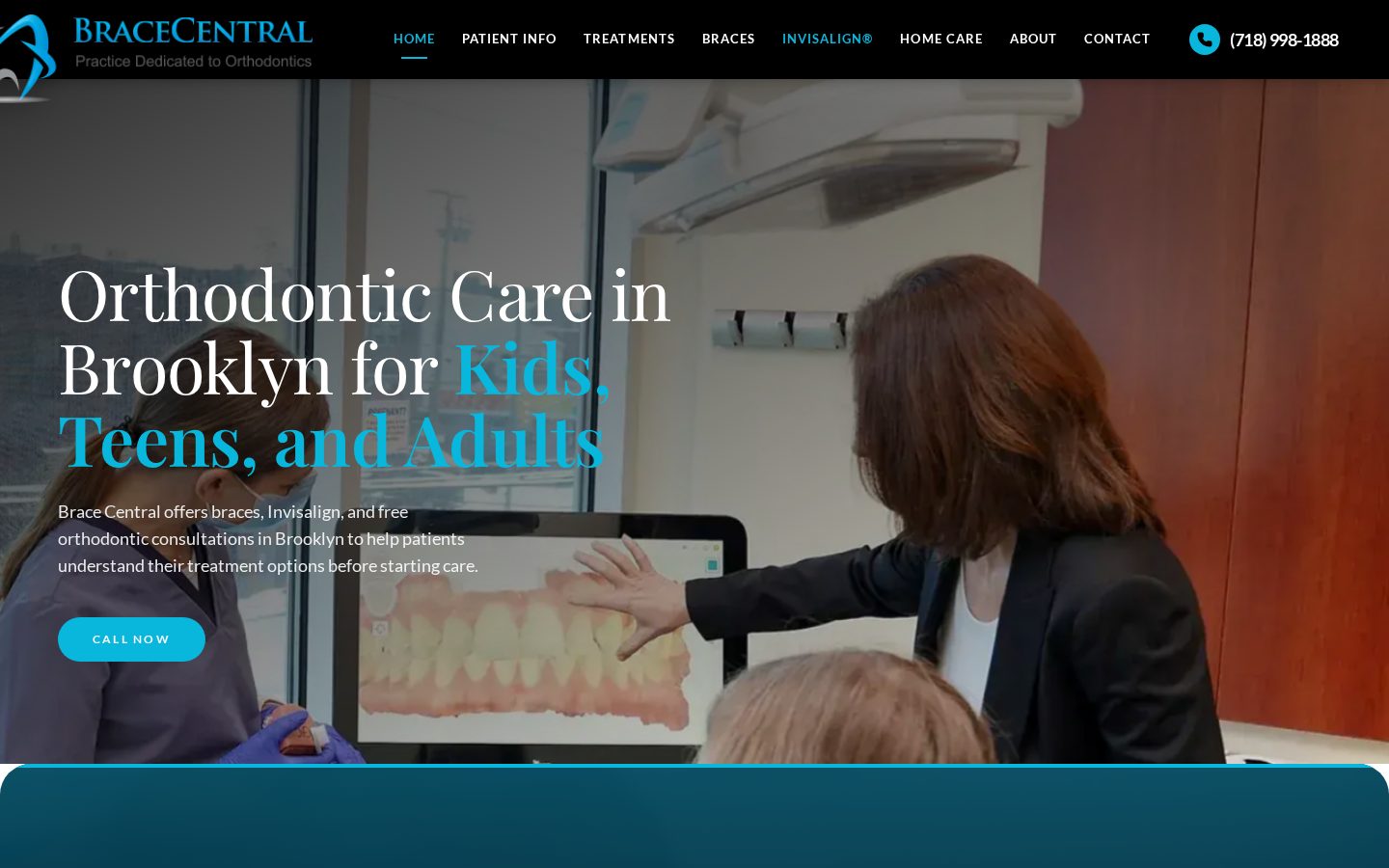
Brace Central Orthodontics
Orthodontics
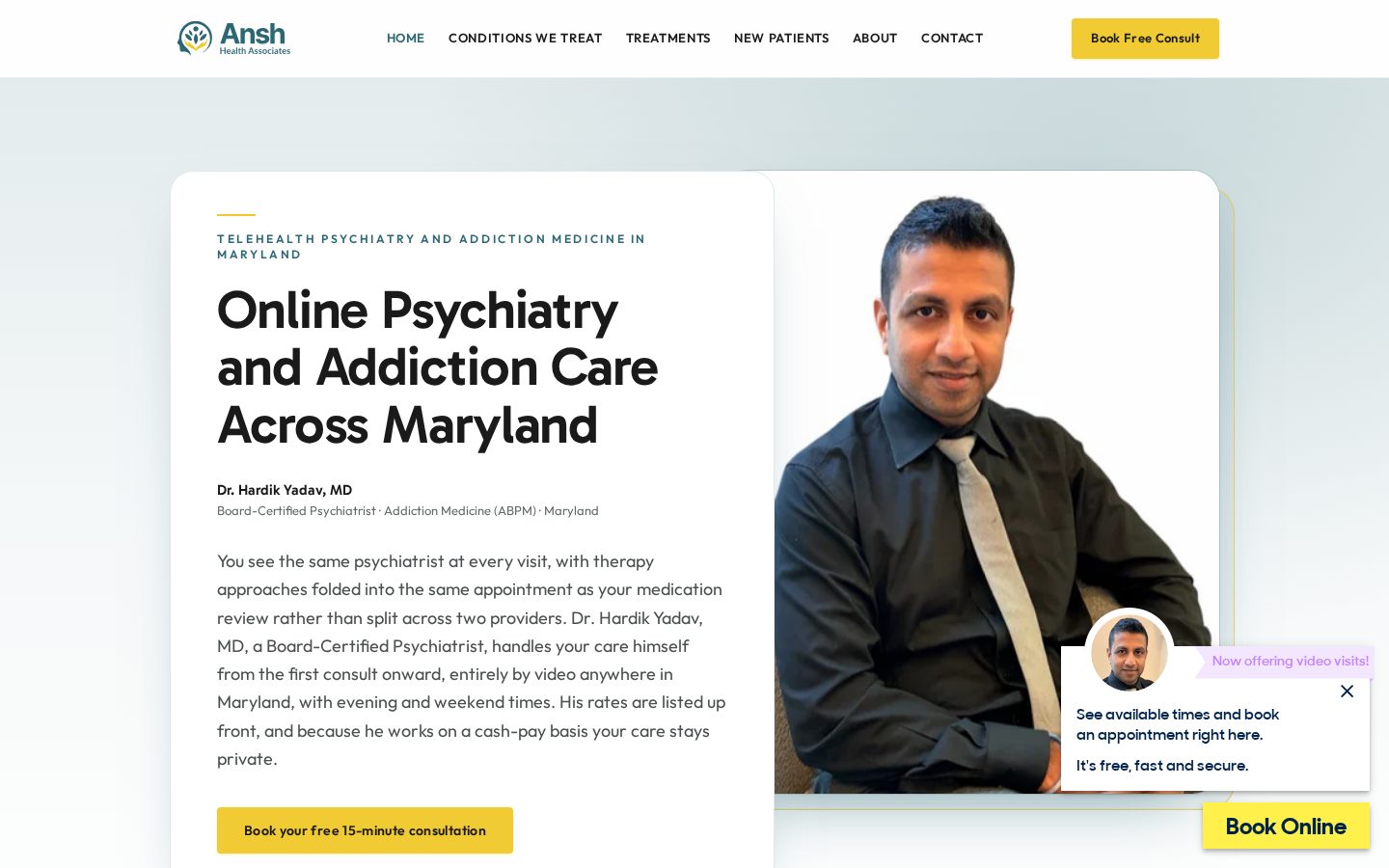
Ansh Health Associates
Telepsychiatry
What your medical website is built on
Every site we build runs on Lovable. The practice owns the code, the content and the domain, and nothing on the site needs patching by your staff.

No plugins to patch
Your site is built on Lovable. There is no PHP, no plugin stack and no update queue for your office to keep up with. The pages are code we wrote, and they stay the way we left them.

You own the code and the domain
The repository, the content and the domain are in your name from day one. If you ever leave, the whole site goes with you or to your next agency, at no charge.
Fast on a phone
Most patients read your site on a phone in a waiting room or on a couch. The site renders real HTML on the server, so it loads quickly and Google and AI crawlers can read every page.
Our Medical Website Standards
- Marketing inside HIPAA boundaries
- Review requests go out with no patient details inside them. Before and after photos get written consent before they reach a page. Case studies run anonymised unless a patient signs otherwise.
- Clinician-reviewed medical content
- Health pages fall under YMYL, where Google asks for more experience, expertise, authority and trust (E-E-A-T). Every page we publish for a practice names the clinician who reviewed it, with their credential and a link to their bio, and the same reviewer is written into the page's structured data, so Google and AI tools can verify the credential, not just read it.
- Local pack and map coverage
- Most patient searches carry local intent, so the profile counts as much as the site. We run categories, photos, posts and the review flow, and scan the map grid to see where a practice ranks block by block.
- AI search readiness: GEO and AEO
- Assistants answer from page text rather than from ranking position. We render every page so a crawler receives real text, mirror the visible facts into structured data (generative engine optimization, GEO, and answer engine optimization, AEO), and track the visits that arrive from AI assistants in your analytics.


Why Google holds medical websites to a higher standard
Google calls medical content YMYL, which stands for "Your Money or Your Life." Medical information can directly affect someone's health decisions, so Google requires more proof that your website is trustworthy and that a qualified clinician stands behind what it says.
A site that looks nice but carries no named provider, no credentials and generic copy will struggle to rank, and a site that does not rank is one patients never see. Every page we build carries your provider, your credentials and your own answers about how you practice.
Who builds your website at Doctor Rank
Artem Saribekyan, the founder, works on every site. You speak with him from the first call onward and you have his cell number. There is no account manager and no ticket system between you and the work.
Why we only build for medical practices. Medical practices have specific needs: YMYL scrutiny from Google, provider credentials that have to be visible and verifiable, patient privacy on every form, and content that a clinician is willing to put their name on. Agencies that build for everyone tend to miss those.
So we work with medical practices only. Dermatologists, plastic surgeons, dentists, med spas, psychiatrists and specialty clinics. They all live under the same Google standard, and that focus shapes how every page is built. It also shapes how the content gets written.
"We research what patients in your specialty actually ask, you answer those questions in a sentence each, and those answers become the pages. Nothing on your site is made up by us."
Artem Saribekyan, founder
How we build a medical website that ranks
Every site starts with research into your market and your own answers about how you practice.

Research on the practices already ranking in your area
Before we design anything, we analyze the medical practices that already rank for your services in your area. What pages do they have? How are their pages structured? What are they doing that works? We reverse engineer what is winning and build on it.

Content written from your own answers
Google evaluates healthcare websites on Experience, Expertise, Authoritativeness, and Trustworthiness. We research the questions patients ask, you answer each in a sentence, and every page establishes those signals through your credentials, your approach, and real information about how you practice medicine.
Page structure and schema Google can read
Content architecture with proper heading hierarchy, keyword targeting from Google Search Console data, and schema markup so Google and AI assistants understand exactly what each page is about and who stands behind it.

Design that turns visitors into booked appointments
Rankings mean nothing without conversions. Every page is designed to move visitors toward booking an appointment. Clear calls to action, trust signals in the right places, and a structure that answers questions while encouraging contact.
What pages a medical website includes
Homepage
Your homepage is the foundation. It connects to your Google Business Profile and sets the tone for your entire online presence. We structure it to establish who you are, what you do, and why patients should choose you.

Service and Procedure Pages
Each service gets its own dedicated page that ranks for specific searches. We structure each page based on competitive research, include FAQs, and integrate your E-E-A-T credentials throughout.

About and Provider Pages
These pages establish trust. Board certifications, training, experience, philosophy of care. Google and patients want to see that real, qualified humans are behind the medical advice.
Location Pages
If you have multiple locations, each one gets a dedicated page optimized for that area, connecting to your individual Google Business Profiles.

Patient Resources
FAQs, condition information, what to expect pages. This content establishes expertise while capturing searches from patients researching their options.
Medical website design by specialty
Med spa website design
Med spa clients want to see results before they book, so the site is built around before and after galleries, treatment videos and photos of the facility. Each treatment gets its own page: Botox, dermal fillers, laser treatments, body contouring. Provider credentials sit where a visitor can find them, because people are trusting the practice with their appearance. A specials page holds current offers, so the treatment pages stay clean. Searches are local, and the site connects to the Google Business Profile.
Dental website design
A dental site needs a page for each service: general dentistry, cosmetic procedures, restorative treatment, orthodontics, pediatric care and emergency visits. Dentist pages show dental school, advanced training, certifications and professional memberships. A practice with several offices gets a page per location, each tied to its own Google Business Profile. New patient pages cover insurance, financing and what to expect at the first visit, which answers questions before the patient calls.
Plastic surgery website design
Plastic surgery patients study a surgeon's work for weeks before a consultation. Galleries organized by procedure, board certification and fellowship training, and a page for each procedure carry the site. The pages and the proof patients look for change with the specialty, and plastic surgery has its own page on this site, linked below.
Before-and-after galleries built to load fast and rank
For a cosmetic or surgical practice the gallery is the page that turns a visitor into a consultation, and it is usually the slowest page on the site. We build it from consented cases only, in the natural shape of the photo, never upscaled, with a caption that names the procedure and the time since treatment. Each image is sized for a phone, loads only when it comes into view, and is described in the page so Google and the AI tools know what it shows. The full approach is on our page for plastic surgery website design.


Accessibility testing on every page we ship
Every page we build runs through automated accessibility checks before it goes live: contrast, labels on every form field and button, headings in order, images described, the whole site usable from a keyboard. A patient who uses a screen reader or cannot use a mouse can book an appointment on your site, and the checks run again on every change, so a page that passed does not quietly stop passing.
Why doctors choose Doctor Rank for their website

Private medical practices only
We work exclusively with private medical practices. That focus means we understand YMYL requirements, E-E-A-T signals, and what Google expects from medical websites.

One practice per specialty per city
Once we sign a practice in your specialty in your city, we do not take another one there. You are never competing against your own agency.

One flat fee, agreed upfront
You know the number before we start. It does not go up and it does not go down, and there are no surprise fees. There is no long-term contract and no cancellation fee.
Your website leaves with you
You own the code, the content and the domain. If you ever decide to leave, we hand everything we built to you or your next agency, at no charge.
Guides on medical websites and content

Best Website Builder for Medical Practices: What Actually Works in 2026
Which website builder a medical practice should choose in 2026 and which to avoid, with the ownership, editing, security and integration criteria that actually decide it.
Read the guide
Are Your Blog Headlines Costing You Traffic? Why Clickbait Titles Don't Work for Medical Websites
Google's 2026 core update penalizes clickbait headlines on medical websites. Overpromising titles, curiosity gaps, and urgency headlines are now downranked. Here is what to use instead.
Read the guide
What Is Schema Markup and Why Does Your Medical Blog Need It? The 4 Types Healthcare Websites Should Have
Schema markup helps Google understand your medical blog content. After the 2026 update, healthcare blogs need 4 types: article, FAQ, person, and medical web page schema. Here is what each does.
Read the guide
Is Your Medical Blog Hurting Your Rankings? How to Structure Healthcare Blog Content After the 2026 Google Update
After the 2026 Google update, medical blogs need author credentials at the top, direct answers first, proper schema, and medical disclaimers. Here is the updated blog structure that works for healthcare.
Read the guide
Does Your Doctor Bio Page Help or Hurt Your Rankings? What Google Expects from Provider Profiles in 2026
Your doctor bio page directly affects your search rankings. Google now uses E-E-A-T to evaluate healthcare websites, and thin provider profiles cost you visibility. Learn what top-ranking bios include.
Read the guide
Does Website Design Actually Matter for AI Search?
AI search does not reward pretty websites. It rewards clear ones. We manage medical practices that outrank prettier competitors in AI Overviews. Here is what actually matters.
Read the guideQuestions doctors ask about a new website
Related Services
Disclaimer: SEO results vary by market, competition, and implementation. The strategies discussed on this page reflect our direct experience managing campaigns for private medical practices. No specific ranking position or traffic outcome is guaranteed. For a personalized assessment, contact our team.