
SEO for Wellness Clinics
Reviewed by Artem Saribekyan, Founder of DoctorRank | Veteran SEO Specialist, 20+ Years of Experience | SEO for Private Medical Practices Since 2005 | Last Updated: November 2026
SEO for clinics built around internal health: functional medicine, GLP-1 weight loss, hormone therapy, IV therapy and biofeedback.
SEO for wellness clinics is the work of making your wellness practice easy to find when patients search Google, Google Maps, or ChatGPT for health and wellness services in your area. It covers wellness clinic Google Business Profile optimization, condition-specific content for weight loss, hormone therapy, IV hydration, biofeedback, and functional medicine, citation building across health and wellness directories, provider credential signals, and the structured data that tells Google, AI Overviews, and AI agents what your wellness clinic treats. For how the same work applies across medical specialties, see SEO for doctors.

Written by
Artem
Founder of Doctor Rank | 20+ Years in SEO
I have been doing SEO for over 20 years. In that time the wellness field has grown from a handful of naturopathic offices into functional medicine, GLP-1 programs, hormone optimization, peptide therapy, biofeedback, and longevity medicine. This page explains how search works for those clinics and what we do about it.
What Is SEO for Wellness Clinics?
SEO for wellness clinics is the process of optimizing a wellness practice's website, Google Business Profile, reviews, citations, and structured data so patients searching for internal health services can find the clinic. For a wellness clinic, that covers every layer of the business: the Google Business Profile that shows up in the local map pack, the condition-specific pages on the website for weight loss, hormone therapy, IV hydration, biofeedback, functional medicine, and longevity programs, the provider bio pages with real credentials, the reviews across Google and Healthgrades, the citations across health and wellness directories, and the schema markup that tells Google this is a real provider-led wellness practice.
Wellness SEO is different from general medical SEO because the category sits at the intersection of YMYL medical content and FTC advertising regulation. Weight loss claims require substantiation. Hormone therapy content must reference real providers. GLP-1 content must avoid branded drug names that trigger legal exposure. We write within those rules. For how provider pages work across medical specialties, read our guide on doctor bio page rankings.
How Wellness Clinic SEO Differs From Aesthetic Practice SEO
One question sorts it: is the patient coming to feel better, or to look better? Feel better is wellness, and the Google Business Profile category, the keywords, the content, and the citations all follow from that. Look better belongs on a different page.
Wellness clinic SEO is built around internal health optimization. Patients are searching for weight loss programs, hormone replacement therapy, IV therapy, biofeedback, functional medicine, longevity protocols, and preventive care. The providers are MDs, DOs, NPs, naturopaths, and functional medicine practitioners. The services are prescribed, monitored, and lab-driven.
Aesthetic SEO is built around external cosmetic improvement. Patients are searching for Botox, fillers, laser treatments, body contouring, and skin rejuvenation. The search intent, the GBP categories, the citation directories, and the content architecture are fundamentally different.
Mixing both on one page confuses Google, and you end up ranking for neither. We plan the two separately. If you operate an aesthetic practice or a physician-supervised cosmetic clinic, our SEO for med spas service is the right fit. If your patients come to feel better from the inside, keep reading.
Six Types of Citations a Wellness Clinic Needs
Citations for a wellness clinic reach well past Yelp and Google. A health and wellness practice has six kinds of listings to build and keep consistent.
Health and wellness directories
Healthgrades, Vitals, WebMD, Zocdoc, Psychology Today (for biofeedback and neurofeedback), and the regional wellness platforms patients browse when searching for functional medicine or integrative health providers.
Specialty and association directories
Institute for Functional Medicine practitioner lookup, American Association of Naturopathic Physicians, American Academy of Anti-Aging Medicine (A4M), International Peptide Society, and state naturopathic licensing board directories. These are the listings patients and other providers check for credentials.
GLP-1 and weight loss specific directories
Obesity Medicine Association provider search and Obesity Action Coalition listings, for clinics that run medical weight loss programs.
Local business directories
Chamber of commerce, neighborhood business improvement district, and any local "best of" features the regional press runs for health and wellness businesses.
Neighborhood blogs and local health mentions
Parenting groups, neighborhood Facebook groups, community newsletters, local news features on wellness trends, and editorial coverage of new clinic openings or service launches. Unpaid, local, and dense with geographic signal.
Review and social proof citations
Google reviews on the clinic profile and individual provider profiles, Healthgrades reviews, Facebook recommendations, and Instagram geotags tied to the physical location. These anchor the brand to the location in a way Google can cross-verify.
Building all six is slow work. It is what makes a wellness clinic show up across the places patients look, beyond a single Google listing. For more on reviews, read our guide on how to get more patient reviews.
Semaglutide and GLP-1 Weight Loss Clinic SEO
Patients research GLP-1 and semaglutide programs heavily before they book, and paid ads for these programs are restricted.
Google Ads restricts prescription drug names such as semaglutide and Ozempic in ad text and landing pages for most advertisers. Meta limits before-and-after weight loss imagery and specific drug claims. Manufacturers also enforce their trademarks against clinics that advertise compounded versions under brand names. That leaves organic search and word of mouth as the main ways patients find a GLP-1 program.
For wellness clinics running GLP-1 programs, each program gets its own page, its own FAQ, its own provider attribution, and its own keyword plan. The plan leans on generic terms like "medical weight loss near me" and "GLP-1 weight loss clinic", which carry the same patient intent without trademark exposure.
Weight Loss Clinic SEO
SEO for weight loss clinics covers the full range of medical weight management, GLP-1 included. Wellness clinics offering physician-supervised weight loss programs, meal planning, metabolic testing, body composition analysis, and behavioral coaching all compete for the same patient searches. A weight loss clinic's pages need to separate medication-assisted weight loss (semaglutide, tirzepatide), non-medication programs (supervised diet, exercise physiology), and combination approaches. Each has its own search intent. Each gets its own page, the pages link to each other, and the services on the Google Business Profile match the programs the clinic offers.
Biofeedback and Neurofeedback Clinic SEO
Many biofeedback and neurofeedback provider sites have no pages for the conditions they treat: ADHD, anxiety, chronic pain, PTSD, traumatic brain injury, migraine, and insomnia. A clinic that publishes its provider credentials and builds a real page for each condition gives Google and patients far more to read.
For wellness clinics that include biofeedback or neurofeedback in their service mix, we build a page for each condition, add the matching structured data, and make sure Psychology Today and the Biofeedback Certification International Alliance directory are part of the citations. If your practice also treats behavioral health conditions, see our SEO for psychiatrists page.
What Google and the FTC Require From Wellness Clinic Content
Google classifies wellness content as Your Money or Your Life, which means every page on your website is evaluated against a higher standard for accuracy, provider attribution, and trustworthiness. A wellness clinic that publishes weight loss claims without provider credentials, or posts GLP-1 testimonials without proper context, can lose rankings however strong the technical SEO is.
The FTC adds a second requirement. The Federal Trade Commission requires substantiation for weight loss advertising claims. Statements like "lose 30 pounds in 30 days" or "guaranteed weight loss results" without clinical evidence can trigger enforcement action.
We build every wellness clinic content page with both layers in mind. Every weight loss claim references the provider overseeing the program. Every GLP-1 page includes appropriate medical disclaimers. Every testimonial or outcome reference includes context about individual variation. For a wellness clinic in 2026 this is the minimum.
How Patients Find Wellness Clinics Through ChatGPT and AI Search
When a patient asks ChatGPT "best functional medicine doctor near me" or "where can I get semaglutide for weight loss in my city," the AI pulls its recommendation from Google Business Profiles, review sentiment, website content, schema markup, and mentions on health and wellness directories. A clinic with thin profiles, few reviews, and no structured pages gives the AI little to recommend.
Patients often spend weeks researching semaglutide, tirzepatide, dosing, side effects, and cost before they book. A clinic that shows up during that research is on the list when they decide. For the details, read our guides on how to rank on ChatGPT and how to rank in AI Overviews, and our AI search optimization service.
What SEO for a Wellness Clinic Includes
The work covers five areas.
Google Business Profile Rebuild and Management
The Google Business Profile is rebuilt from the categories up. Primary and secondary categories tied to wellness services, a service menu covering every program the clinic offers, photos, posts, Q and A, and review replies. The profile is kept current every month.
A Page for Each Condition and Program
Every condition and service the wellness clinic treats gets a dedicated page. Weight loss and GLP-1 programs, hormone replacement therapy, IV therapy and hydration, biofeedback and neurofeedback, functional medicine, naturopathic care, longevity protocols, peptide therapy, chronic fatigue, fibromyalgia, and preventive health. Each page names the provider overseeing that program, shows real credentials, and is written from your providers' own answers to the questions patients ask.
Provider Bio Pages With Credentials
Wellness clinics often have several provider types on staff: MDs, DOs, NPs, naturopaths, acupuncturists, and nutritionists. Each provider gets a bio page with credentials, board certifications, license information, and the matching structured data. Google weighs who stands behind a health page, and patients check.
Review Program for Wellness Practices
A steady review program that respects HIPAA patient information rules and FTC guidelines on testimonials. The same honest ask after every visit, never incentivized, and a reply to every review.
Citation Building Across All Six Types
Healthgrades, Vitals, Zocdoc, Psychology Today, functional medicine directories, naturopathic boards, obesity medicine directories, local chambers, and neighborhood health blogs. Built for every location the clinic operates.
What Reports a Wellness Clinic Gets Each Month
Reporting follows the same order for every clinic.
- For the first three months, the direction: how often the clinic appears in Google, AI Overviews, ChatGPT and Gemini
- Search Console under your own login, so you see the same screen we do
- After month three, Google Analytics conversions by source
- Calls counted through a call tracking number
- A plain monthly note on what changed and what moved
Wellness Clinic Types We Work With
Every wellness practice model has different search behavior, different competitors, and different ranking dynamics. We build the plan around the category your practice actually sits in.
If you operate an aesthetic practice that also runs a wellness arm, the aesthetic side belongs on our SEO for med spas page and the wellness side belongs here. If you are a physician running a wellness-focused private practice, see SEO for doctors.
Why Wellness Clinics Choose Doctor Rank
One Clinic Per Specialty Per City
We take one wellness clinic per specialty per city. We will never build up the clinic across town that you compete against.
No Long-Term Contract
The work is month to month. There is no long-term contract and no cancellation fee.
One Flat Fee Agreed Upfront
One flat monthly fee, agreed before we start. It does not go up or down, and there are no surprise fees.
Everything We Build Is Yours
If you leave, the website and everything we built goes with you.
You Work With the Founder
You work directly with Artem Saribekyan, the founder, from the first call. There is no account manager between you and the work.
The Founder's Cell Number, No Ticket System
You have Artem's cell phone number. Questions go straight to him.
"The simple litmus test is this: is the patient coming because they want to feel better, or because they want to look better? If the answer is feel better, the marketing, the GBP category, the keywords, the content, the schema, and the citations are all wellness. If the answer is look better, that is a different page entirely. Mixing them confuses Google and you end up ranking for neither."
Artem Saribekyan, Founder
Is Doctor Rank a Fit for Your Wellness Clinic?
We work best with wellness clinic owners who meet a few clear criteria.
- You own a provider-led wellness clinic with real medical credentials on file and a clear service menu.
- You have the capacity to take on more patients at your practice.
- You are willing to commit a monthly budget that matches the competitiveness of your local market.
- You want a partner who will push back on strategy when needed.
- You are open to the idea that your current Google Business Profile, your current website, and your current review pipeline may all need real work.
If you run an aesthetic practice focused on cosmetic treatments, look at SEO for med spas. If you are a physician whose private practice includes some wellness services, see SEO for doctors.
Local SEO for Wellness Clinics
Every wellness patient search is local. Semaglutide clinic near me, IV therapy in my neighborhood, functional medicine doctor in my city. Local SEO for wellness clinics rests on three pillars.
Google Business Profile Optimization
Complete, active, and correctly categorized Google Business Profile. Categories aligned to actual wellness services, populated service menu with descriptions for every program, photo library refreshed monthly, posts published weekly, Q and A populated, and active review response. We run the profile every week.
Wellness and Health Directory Citations
Healthgrades, Vitals, Zocdoc, Psychology Today, functional medicine directories, naturopathic board listings, and obesity medicine directories. Every listing should carry the identical name, address, and phone.
Content for Each Condition
Unique content for every condition your wellness clinic treats. Pages that only swap a city name do not rank. For the local layer across medical practices, see SEO for doctors.
Local SEO for a wellness clinic is ongoing work on the area around each location. For the wider marketing picture, read our guide on how to market a medical practice.
Questions Wellness Clinic Owners Ask Before Hiring an SEO Agency
What is SEO for wellness clinics?
SEO for wellness clinics is the process of optimizing a wellness practice's Google Business Profile, website, condition pages, provider bios, reviews, citations, and structured data so patients can find the clinic when they search for internal health services. It covers everything from Google Business Profile categories to structured data for functional medicine, GLP-1 programs, hormone therapy, IV therapy, biofeedback, and longevity medicine.
How is wellness SEO different from aesthetic or cosmetic SEO?
Wellness SEO targets patients who want to feel better: weight loss, hormone balance, energy, chronic pain relief, metabolic health. Aesthetic SEO targets patients who want to look better: Botox, fillers, lasers, body contouring. The two need different content, different Google Business Profile categories, different citation directories, and different compliance rules. We plan them separately and recommend wellness clinics keep their aesthetic services on their own pages.
How much does wellness clinic SEO cost?
One flat monthly fee agreed upfront, based on the number of locations, the number of providers, and how competitive your city is. The fee does not go up or down, and there are no surprise fees.
Can you help my clinic rank for semaglutide and GLP-1 keywords?
Yes. Google Ads restricts prescription drug names in ads for most advertisers, which makes organic search the main channel a GLP-1 clinic can grow. Each program gets its own page with provider attribution and medical disclaimers, and the keyword plan leans on generic terms like "medical weight loss" and "GLP-1 weight loss clinic" that avoid trademark exposure.
How is a wellness SEO agency different from a general agency?
A wellness SEO agency works inside the rules of the category: health content standards, FTC substantiation requirements for weight loss claims, the advertising restrictions on GLP-1 medications, and the provider credentials Google looks for on wellness pages.
Do you work with functional medicine and integrative health practices?
Yes. We build condition-specific pages around the services these practices offer, including gut health, adrenal fatigue, autoimmune protocols, detoxification programs, and lab-based treatment plans. Each page is tied to the provider's credentials and answers what patients search for on that condition.
Can you help with biofeedback and neurofeedback clinic SEO?
Yes. We build a page for each condition the clinic treats, such as ADHD, anxiety, chronic pain, PTSD, TBI, migraine, and insomnia. We add the matching structured data, build citations on Psychology Today and the Biofeedback Certification International Alliance directory, and set up the Google Business Profile around those conditions.
Do you work with hormone replacement therapy clinics?
Yes. Hormone therapy content requires careful medical disclaimers and real provider attribution. Each hormone program gets its own page, tied to the prescribing provider's credentials and to local search for hormone therapy in the clinic's service area.
How does AI search affect wellness clinics?
When patients ask ChatGPT or Google AI Overviews about GLP-1 side effects, functional medicine providers, or hormone therapy options, the AI pulls from structured website content, Google Business Profiles, and review sentiment. Wellness clinics that publish real provider credentials, condition-specific pages with schema markup, and active GBP profiles are the ones appearing inside AI responses. We build those pages and profiles.
Do you handle IV therapy and hydration clinic SEO?
Yes. IV therapy clinics compete for searches like "IV therapy near me," "NAD+ infusion," "vitamin drip," and "hydration therapy." We build dedicated pages for each IV service, optimize the GBP with the correct categories and service menu, and make sure the provider administering treatments is credentialed on the website.
What health and wellness SEO services do you include each month?
Google Business Profile management, new and updated condition pages written from your providers' answers, citation building and repair, structured data, and a never-incentivized review program. For the first three months you see how often the clinic appears in Google, AI Overviews, ChatGPT and Gemini. After that you see Google Analytics conversions by source, calls through a tracking number, and a plain monthly note.
Do you work with weight loss clinics that are not running GLP-1 programs?
Yes. SEO for weight loss clinics covers the full range of medical weight management. Whether your clinic offers supervised diet programs, metabolic testing, body composition analysis, behavioral coaching, or medication-assisted protocols beyond GLP-1, the pages and citations are built around the programs you offer.
Can AI search recommend my wellness clinic specifically?
It can. AI assistants name specific clinics when they have real signals to read: published provider credentials, condition pages with structured data, and an active review profile. Those are the signals we build.
Do you require a long-term contract for wellness clinic SEO?
No long-term contract. Doctor Rank is month to month on one flat fee agreed upfront that does not go up or down, with no surprise fees and no cancellation fee. If you leave, the website and everything we built goes with you.
Is Doctor Rank a health and wellness SEO agency or a general SEO company?
Doctor Rank works only with private medical practices (physicians, wellness clinics, aesthetic practices, dental, behavioral health). We do not take on restaurants, ecommerce stores, or general businesses.
Who will I be working with?
Artem Saribekyan, the founder. You deal with him directly from the first call, you have his cell phone number, and there is no account manager or ticket system between you and the work.
What does onboarding look like?
A first call where we look at where your clinic shows up today on Google, Google Maps and ChatGPT. Then access to your Google Business Profile and Search Console, a set of questions about the services and patients you want more of, which you answer in one sentence each, and we build your pages from those answers. Each week after that you get a few more questions, and each month a plain note on what moved.
Book a Free Consultation
A free consultation takes 30 minutes. We review your Google Business Profile, your website, your reviews, and where your wellness clinic stands against local competitors, then outline what to do first. We take one clinic per specialty per city, so the first step is checking whether your city is open.
Guides for med spas and aesthetic practices

Medspa Marketing Ideas That Actually Drive Appointments in 2026
Stop wasting money on ads that stop working when you stop paying. Here are medspa marketing ideas that drive real appointments: Google SEO, social media, review strategy, and retention programs.
Read the guide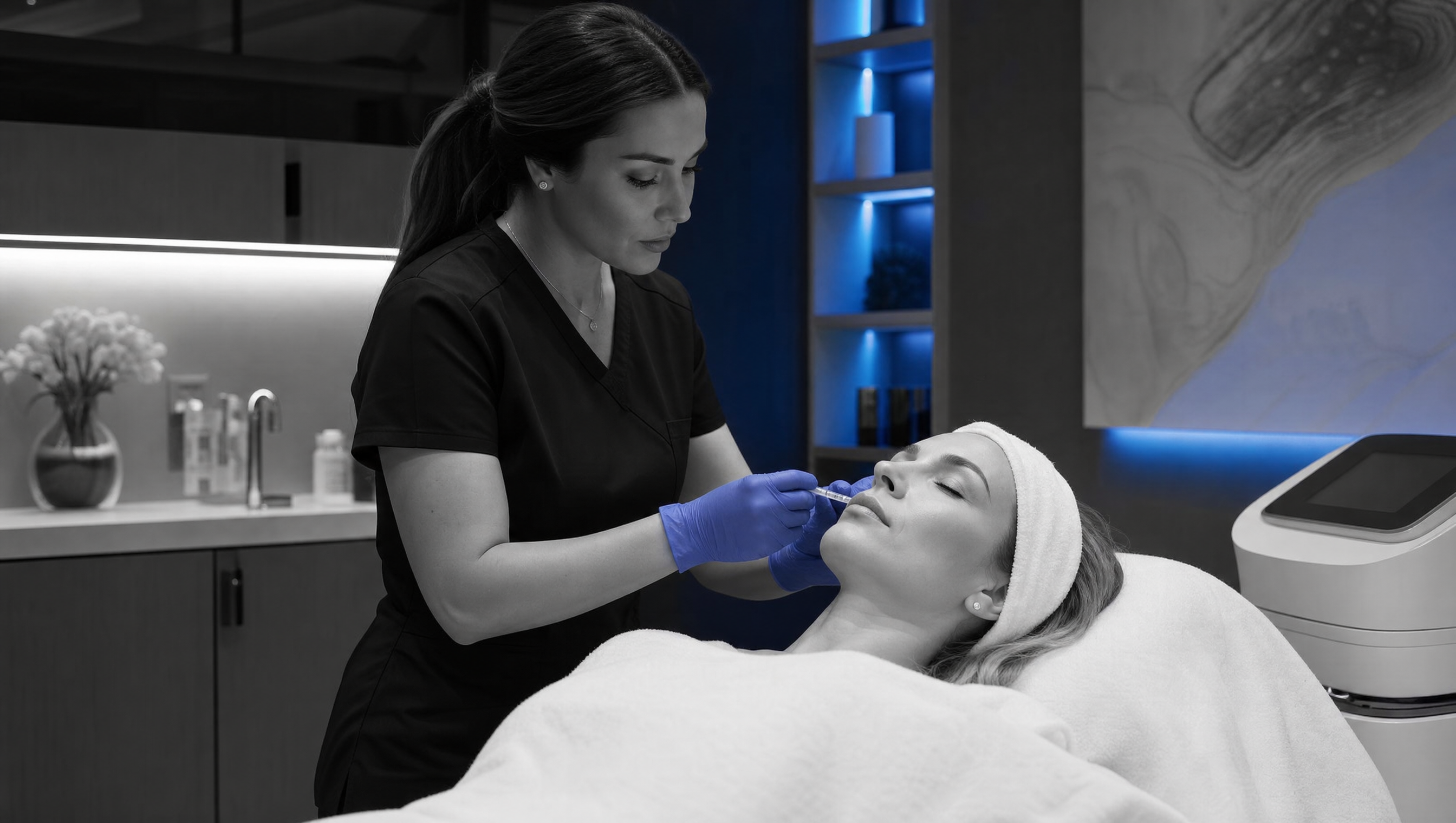
Should a Med Spa Run Google Ads, or Focus on ChatGPT and AI Search?
Doctor Rank on the med spa budget call: Google Ads rent instant traffic that vanishes when you stop paying, while AI search compounds on a site you own.
Read the guideDisclaimer: SEO results vary by market, competition, and implementation. The strategies discussed on this page reflect our direct experience managing campaigns for private medical practices. No specific ranking position or traffic outcome is guaranteed. For a personalized assessment, contact our team.