
Google Ads Management for Doctors, Dentists and Med Spas
We audit the account you have, build the landing page patients respond to, test it against simulated patients before the campaign runs, and then spend your budget on the searches that book.
- One practice per city
- Month to month, no contract
- You own the website
- The founder runs your account
Reviewed by Artem Saribekyan, Founder of DoctorRank | Veteran SEO Specialist, 20+ Years of Experience | SEO for Private Medical Practices Since 2005 | Last Updated: November 2026

What your campaign gets
- A read of your existing Google Ads account before anything is changed
- Landing pages tested across many variants, well beyond one A/B pair
- A simulated campaign with patient personas before real spend
- Compliance help, including LegitScript certification where your services need it
If you already run Google Ads, we investigate the account first
Most practices that come to us have an account already. Somebody set it up, an agency ran it for a while, the invoices kept arriving and nobody could say what the money bought. We start by reading that account: which search terms actually spent the budget, which keywords produced a call or a form, where the clicks landed, whether conversions were tracked at all, and what the policy history looks like.
The audit comes back as a plain list: what is working and stays, what is wasting money and why, and what is missing. Only then do we touch anything. The account remains yours, in your name, with us added as a manager, so every change and every number stays visible to you.

What our Google Ads management includes

Account audit and clean-up
Search terms, match types, negatives, bidding and budget split, read before a single change. Wasted spend is named and removed.

A landing page built for the procedure
One page per campaign, written for the patient who searched that procedure, with the questions they have before they call answered on the page.

Page testing across many variants
Our own tool scores how patients perceive each version of the page, across many variants rather than one A/B pair, before the campaign goes live.

A simulated campaign before real spend
Personas built from the demographics you want to reach see the ad and the page in our environment first. The live campaign starts from the version they responded to.

Conversion and call tracking
Calls, forms and bookings counted as conversions, with a tracking number per campaign, so the weekly read is about patients and not clicks.

Policy and certification
Your services checked against Google's healthcare advertising rules, and LegitScript certification handled with you when your category requires it.
How we test the landing page before a dollar is spent
We built our own testing tool after managing Google Ads accounts for cosmetic dentists, plastic surgeons and wellness clinics: campaigns for veneers, dental implants, liposuction and other high-end procedures, and for programs such as medical weight-loss management. The same problems came up in every account. The page said what the practice wanted to say, not what the patient needed to hear, and the only test anyone ran was one headline against another.
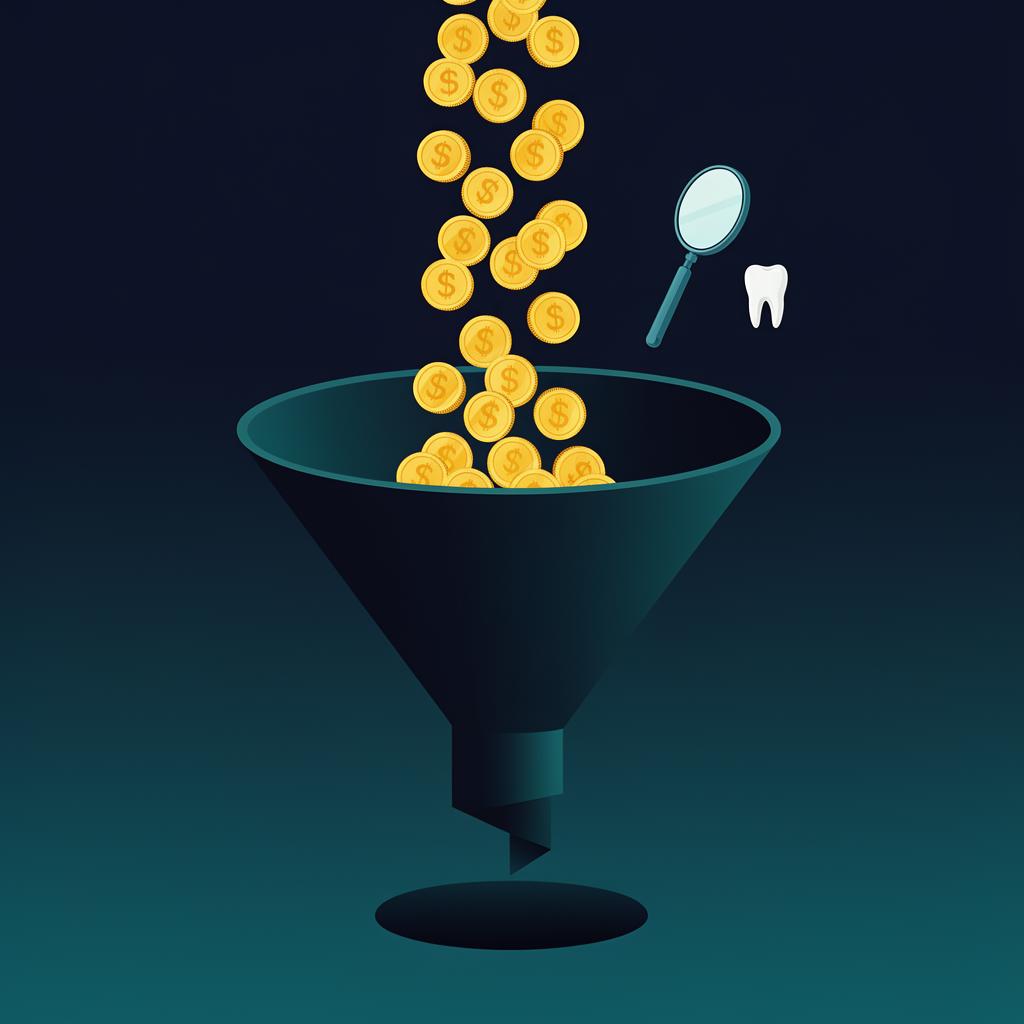
The tool reads a landing page the way a patient does and scores how it comes across. We run it across many versions of the page, A through Z rather than A against B, and keep the versions patients respond to. Then we run a simulated campaign: personas built from your target demographics see the ad and the page in our own environment, and we watch who would qualify as a patient and who would bounce. The result is a campaign that starts from a tested page instead of learning on your budget, which raises the odds of a conversion and brings the cost per click down over time. None of this is a promise of a result. It is the work that gives the real campaign its best start.
Which practices Google Ads works for
Cosmetic and implant dentists
Veneers, implants and Invisalign are searched by name by people ready to book a consultation. Paid search puts your page in front of that moment.
Plastic surgeons
Liposuction, facelift, rhinoplasty and breast procedures carry long research periods and high intent. The landing page carries most of the weight, so it is the part we test hardest.
Med spas and aesthetic practices
Botox, fillers and laser treatments bring repeat visits, so a campaign can pay back over the life of the patient rather than the first appointment.
Wellness and weight-loss clinics
Medical weight-loss programs sit under the strictest advertising rules. We handle the policy work and the certification before the campaign runs.
Compliance comes first in healthcare advertising
Google applies its healthcare and medicines policy to medical advertisers, and some categories can only run once the advertiser holds LegitScript certification. We check your services against the current rules before anything launches, prepare the certification with you when it is required, and keep the account clean so a policy strike does not take the campaign down in the middle of a month. Advertising that works for a week and gets suspended in the second is not a campaign.
What works alongside Google Ads
Paid search works best next to the organic work. The practice that ranks on the map and in the AI answers, and also holds the paid spot for its own procedure, takes two of the three positions a patient sees. Local SEO earns the positions over months; Google Ads buys one of them tomorrow. Meta ads work differently, creating demand for procedures a patient can see, and we tell you plainly when your service belongs there and when it does not.
Every lead a campaign produces goes into the same follow-up system: a text and a call within minutes, in the words you approve, until the patient books or says no. A campaign without that behind it pays for leads twice. And for a veneers or orthodontics campaign, a smile preview on the landing page gives the click something to do before it is asked to book, which is where the paid visitor most often leaves.
Where each channel earns its place
- Google Ads
- The patient already searched the procedure. Paid search buys the top of that page while the SEO work earns it.
- Meta ads
- Creates the want for visual, elective treatments. Weak for services people put off.
- Follow-up
- Decides whether a paid lead becomes a booked patient. Without it, the ad budget leaks.
Guides on Google Ads for a practice
My Agency Won't Give Me Access to My Google Ads Account. Is That Normal?
Your marketing agency won't give you admin access to your own Google Ads account. Here is why they do it, what it really means, and how practices get out of it.
Read the guideShould a Med Spa Run Google Ads, or Focus on ChatGPT and AI Search?
Doctor Rank on the med spa budget call: Google Ads rent instant traffic that vanishes when you stop paying, while AI search compounds on a site you own.
Read the guideQuestions practices ask about Google Ads management
Get a read on your Google Ads account
Add us as a manager on the account you have, or tell us the procedure you want to advertise, and we come back with what is working, what is wasting money and what a tested campaign would look like.
What happens on the call
- 1We read your account or your procedure and the market around it
- 2You get the audit in plain words, with the changes we would make
- 3You decide whether we run the campaign
Related Services
Disclaimer: SEO results vary by market, competition, and implementation. The strategies discussed on this page reflect our direct experience managing campaigns for private medical practices. No specific ranking position or traffic outcome is guaranteed. For a personalized assessment, contact our team.