Can Old Blog Content Hurt Your Website Rankings? Why Outdated Pages Are a Risk for Healthcare and Legal Sites
Outdated blog content is a ranking risk for healthcare and legal websites. Content older than 6 months may not meet Google's 2026 quality standards. Here is how to audit and update it.

Artem Saribekyan
CEO, Doctor Rank
The Short Answer
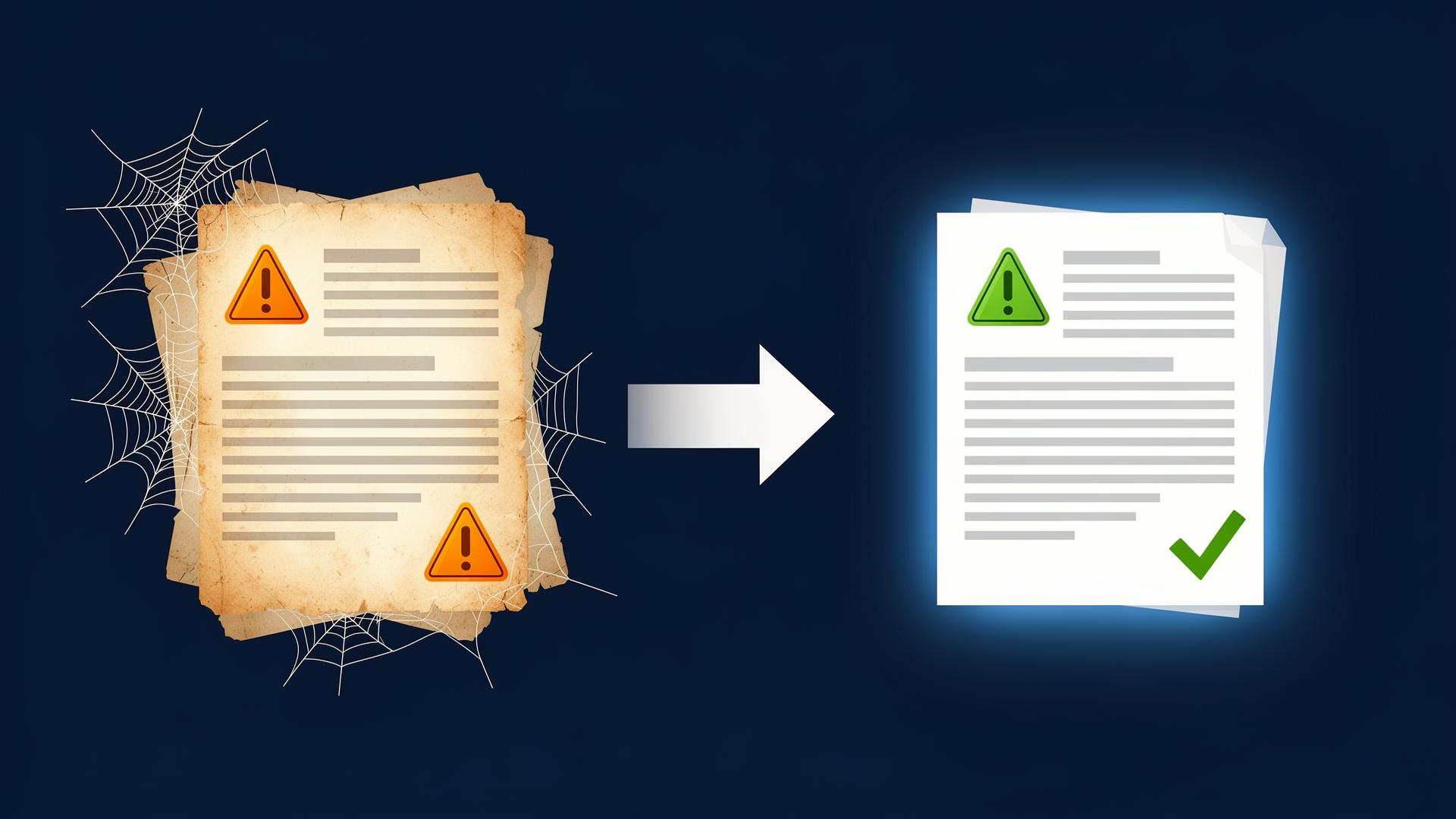
Yes, old blog content can actively hurt your rankings, especially on medical and legal websites. After the 2026 Google core update, content that is more than six months old may not meet the current quality standards for YMYL (Your Money or Your Life) sites. This does not mean the medical or legal information is wrong. It means the format, structure, and quality signals on the page no longer align with what Google requires. Missing author credentials blocks, buried answers, incomplete schema markup, and outdated formatting all make old content a liability. The fix is not deleting old posts. It is systematically auditing and updating them to meet the new standards.
Why Content Freshness Matters More Now
Google has always valued fresh content, but the 2026 update raised the stakes significantly for YMYL websites. The update introduced structural requirements that most content published before 2026 does not meet. Even well-written articles with accurate information can lose rankings if they lack the required elements: visible author credentials, direct answers in the first paragraph, complete schema markup, and appropriate disclaimers.
We saw this firsthand across our client accounts. When the update rolled out, we immediately audited every website we manage. The pattern was clear: blog posts that had been steadily driving traffic for months started declining. Not because the information was inaccurate, but because the format was outdated. We began a comprehensive update process across all accounts, and many practices had 30 to 50 posts that needed structural changes.
Key Insight
"When we realized old content was the issue, my first instinct was to delete those pages. My SEO lead stopped me and said we cannot delete them, we have to update them. And he was right. What we were looking at was updating 50 blogs on each client website. That is the scale of work this update created."
-- Artem Saribekyan, CEO & Founder, Doctor Rank
The takeaway is straightforward: content that was perfectly fine 12 months ago may now be working against you. And the longer it sits without updates, the worse the impact becomes.
What Makes Old Content a Ranking Risk
Missing Author Credentials
Before the 2026 update, many medical and legal blogs did not include a "medically reviewed by" or "reviewed by [attorney]" block at the top. The content might have been excellent, but without visible author credentials, it no longer meets Google's YMYL quality threshold. Every blog post on a healthcare or legal site now needs this element.
No Direct Answer in the Opening
Older blog content often follows an introductory format: background information, context, build-up, and then the answer halfway through the article. Google now expects the direct answer within the first 120 words. Content that buries the answer is being outranked by content that provides it immediately.
Incomplete Schema Markup
Many older blog posts have only article schema, or no schema at all. The current standard for YMYL content includes four schema types: article, FAQ, person, and medical or legal web page schema. Each missing schema type is a missed signal.
Outdated Information
A blog about the cost of dental implants from 2024 may have pricing that is no longer accurate. A blog about personal injury statutes of limitations may not reflect recent legislative changes. Google can detect when content references outdated information, and it is less likely to rank outdated content when fresher alternatives exist.
Old Headline Formats
Blog posts published before the clickbait crackdown may have headlines that now trigger penalties. Sensational, vague, or curiosity-gap titles that were common a year ago are now ranking liabilities. We covered this in detail in our article on why clickbait headlines don't work for medical websites.
How to Audit Your Existing Content
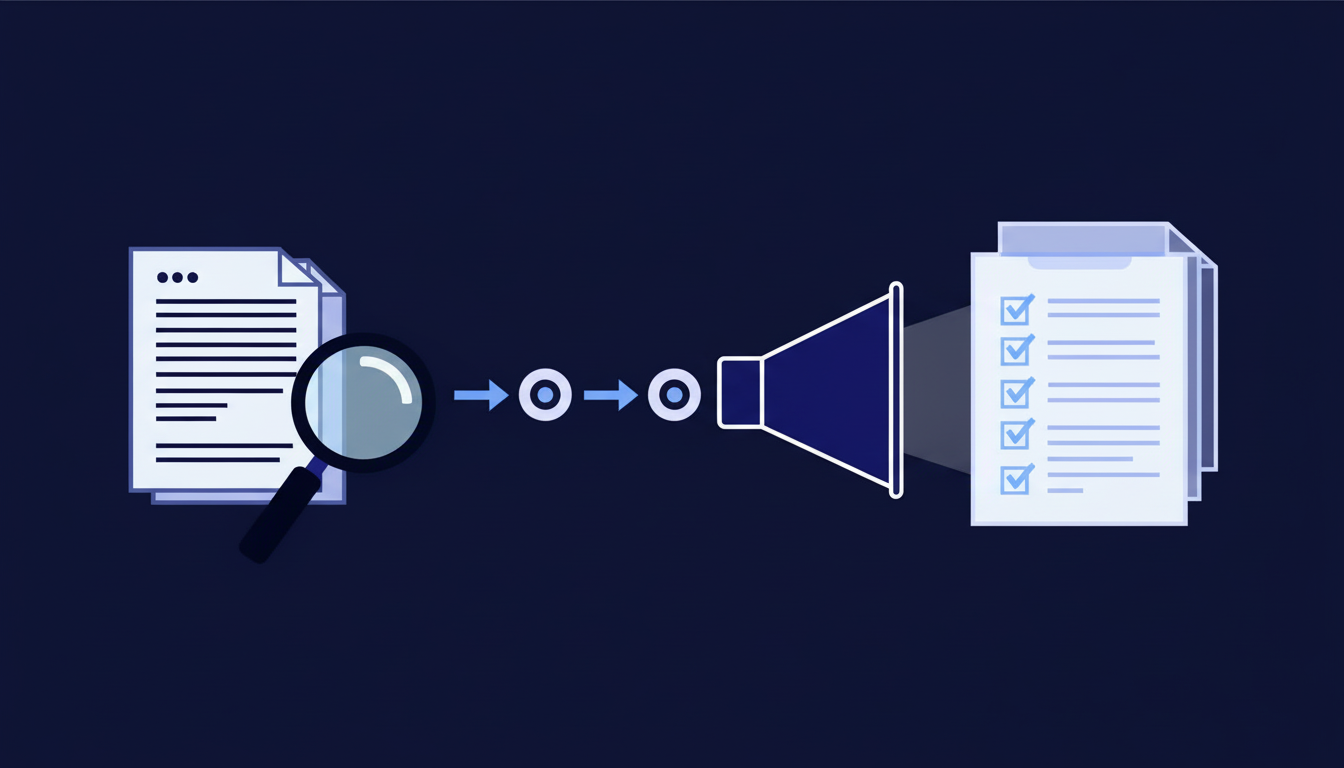
Here is the process we use across all of our client websites:
Create a Complete Inventory
List every blog post and content page with its URL, title, publish date, and last update date. You can pull this from your CMS or use a crawling tool.
Categorize Each Post by Priority
- •High priority: posts that currently drive traffic or target your most important keywords.
- •Medium priority: posts on relevant topics that are not currently driving significant traffic.
- •Low priority: posts on topics that are no longer relevant to your practice.
Audit Each High-Priority Post Against the Current Checklist
- •Does it have an author credentials block at the top?
- •Does the first paragraph contain a direct answer?
- •Are the headings clear and descriptive?
- •Is there a medical or legal disclaimer?
- •Does it have all four schema types?
- •Is the information still accurate?
- •Are the internal links still working and relevant?
Update Systematically
Start with high-priority posts and work through them one at a time. Make all structural changes, verify the page renders correctly, submit the URL for recrawling in Google Search Console, and monitor rankings over the following weeks.
Do Not Delete Old Content
One of the most common mistakes we see after algorithm updates is practices deleting old blog posts in a panic. This is almost always the wrong move. Deleting a page removes any existing authority, links, and rankings that page has accumulated. If other websites have linked to that post, those links become broken, which can negatively affect your site's overall authority.
If a post is genuinely irrelevant, for example it discusses a service you no longer offer, set up a proper redirect to the most relevant current page. If the post is on a topic you still serve but the content is outdated, update it. Updating existing content preserves the page's accumulated authority while bringing it up to current standards.
How Often Should Content Be Reviewed?
Based on the current pace of algorithm changes and the standards for YMYL content, we recommend reviewing all blog content at least every six months. High-priority content, including posts that target your most competitive keywords and posts on topics where information changes frequently, should be reviewed quarterly.
This does not mean rewriting everything every six months. It means checking that the structural elements are current, the information is still accurate, the schema is complete, and the content reflects the latest quality standards. Many updates take only 15 to 30 minutes per post.
How Doctor Rank Manages Content Freshness
Content auditing and updating is built into our ongoing SEO management. We review client content regularly and make structural and informational updates as standards evolve. This is part of our service for doctors, dentists, plastic surgeons, lawyers, and every specialty we manage. Contact us if your content has not been audited recently.
Frequently Asked Questions
How do I know if old content is hurting my rankings?
Check Google Search Console for pages that have lost impressions and clicks over the past three to six months. If specific blog posts show declining performance, especially after a core update, those pages likely need updating. Compare the declining pages against the current quality checklist to identify what is missing.
Should I change the publish date when I update a post?
Update the "last modified" date to reflect the update. Do not change the original publish date. Google tracks both the original publication date and the last modified date. Changing only the display date without actually updating the content is a tactic Google specifically penalizes in the 2026 update documentation.
Is it better to update old posts or create new ones?
If an old post covers the same topic a new post would, update the existing post. The old URL has accumulated authority, backlinks, and indexing history. Creating a duplicate post on the same topic splits those signals and can cause keyword cannibalization, where two of your own pages compete against each other.
References and Sources
- Google Search's Core Updates - Google Search Central Documentation
- February 2026 Discover Core Update - Google Search Central Blog
- Creating Helpful, Reliable, People-First Content - Google Search Central Documentation
Published by Doctor Rank. Strategies discussed in this article are based on our direct experience managing SEO for 40+ healthcare and legal practices. Google's algorithms evolve continuously, and what works today may shift with future updates. For a personalized assessment of how these changes affect your practice, contact our team.
Written by
Artem Saribekyan
Artem is the CEO and founder of Doctor Rank, a digital marketing agency specializing in local SEO and AI search optimization for healthcare providers and legal professionals. Based in New York, Doctor Rank manages SEO for over 20 accounts including personal injury attorneys, family lawyers, criminal defense attorneys, plastic surgeons, dermatologists, and dental practices.
Learn more about our team