How Does Google's 2026 Core Update Affect Law Firm Websites? What Attorneys Need to Change
Google's 2026 core update directly impacts law firm websites. It changed how legal content is evaluated through E-E-A-T, clickbait penalties, and direct answer requirements. Here is what attorneys need to change.

Artem Saribekyan
CEO, Doctor Rank
The Short Answer
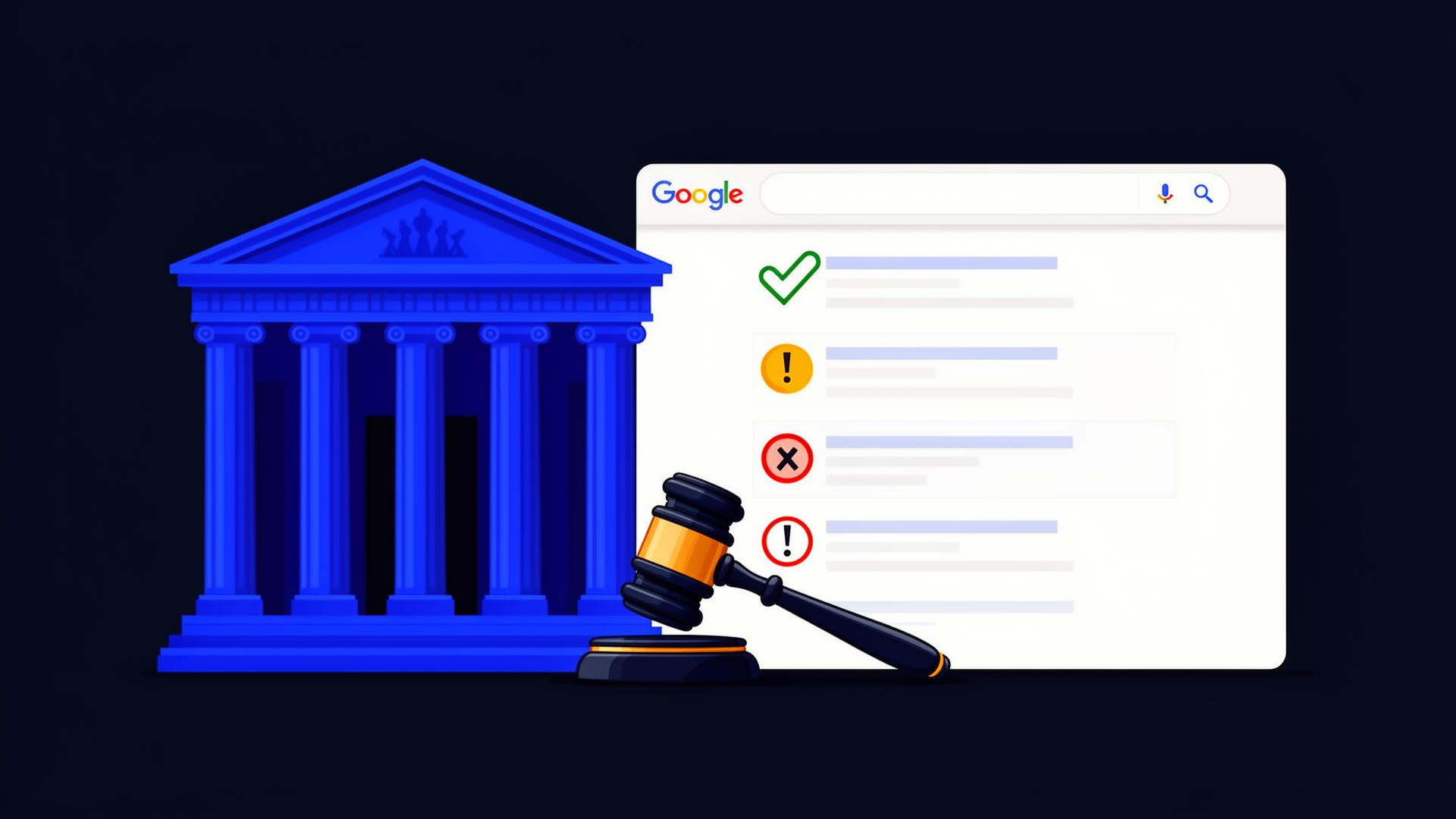
Google's 2026 core update affects law firm websites in the same way it affects medical websites: by holding them to a higher standard. Legal websites fall under YMYL (Your Money or Your Life), which means Google applies extra scrutiny to any content that could impact a person's legal rights, financial wellbeing, or safety. The update specifically targets clickbait headlines, requires direct answers earlier in content, strengthens the importance of author credentials, evaluates expertise on a topic-by-topic basis, and prioritizes locally relevant content. If your law firm website has not been updated to reflect these changes, your rankings are likely being affected.
Why Law Firm Websites Are YMYL
YMYL stands for Your Money or Your Life, and it is Google's classification for any content that could significantly impact a person's health, finances, safety, or legal situation. Law firm websites are squarely in this category. When someone searches for information about a personal injury case, a DUI defense strategy, or child custody rights, the information they find could directly influence decisions that affect their life. Google recognizes this and holds legal content to the same elevated quality standards it applies to medical content.
In practical terms, this means your law firm blog cannot get away with the same content shortcuts that might work for a lifestyle blog or an e-commerce site. Every claim needs to be backed by credible authority. Every piece of content needs to be associated with a qualified legal professional. And every page needs to be structured in a way that demonstrates genuine expertise.
🔑 Key Insight
"Whether it is a lawyer, whether it is a doctor, or whoever, their authority will only be built based on their expertise. That is the rule now. You cannot shortcut it. You cannot fake it. Google knows every manipulation technique, and they let it work for a while before they stop letting it work." — Artem Saribekyan, CEO & Founder, Doctor Rank
What Changed for Law Firm Websites in the 2026 Update
Clickbait and Sensational Headlines Are Penalized
Legal websites have a long history of using fear-based and sensational headlines. "5 Mistakes That Could Destroy Your Personal Injury Case!" or "The Secret Legal Loophole Your Insurance Company Doesn't Want You to Know" are common examples. These types of headlines are now a ranking liability.
Google's update targets titles that use curiosity gaps, emotional manipulation, or exaggerated claims. For law firms, the fix is the same as for medical practices: replace vague, clever headlines with clear, question-based titles that tell the reader exactly what the content covers. "How Long Does a Personal Injury Case Take? Timeline from a Licensed Attorney" works. "The Shocking Truth About Personal Injury Cases" does not.
Direct Answers Must Come First
Your blog posts need to answer the main question within the first 120 words. If a potential client searches "how much is my personal injury case worth" and your article spends the first three paragraphs talking about the history of personal injury law before mentioning a dollar figure, Google considers that a poor user experience. State the answer immediately: "Personal injury settlements in New York typically range from $10,000 to over $1 million depending on the severity of injuries, medical expenses, lost wages, and liability factors." Then spend the rest of the article breaking down the details.
Attorney Credentials Need to Be Visible
Just as medical blogs now need a "medically reviewed by" block, legal blogs should have a "reviewed by" or "written by" block at the top. This block should include: the attorney's name, their bar admission state(s), their practice area, years of experience, and any notable achievements (board certifications, super lawyers recognition, trial wins, leadership roles in bar associations).
This is not optional. Google's E-E-A-T framework evaluates whether the person behind the content has demonstrated expertise. For legal content, that means visible, verifiable attorney credentials associated with every blog post and practice area page.
Expertise Is Evaluated by Practice Area
The same topic-by-topic evaluation that affects medical websites applies to law firms. If your firm handles personal injury, family law, and criminal defense, Google evaluates each practice area independently. A personal injury attorney answering questions on a criminal defense page sends a weaker authority signal than a criminal defense attorney doing the same. Match each attorney to the practice area pages and blog content that align with their actual expertise. We covered this concept in depth for medical practices in our article about how provider credentials affect procedure pages, and the same principle applies to law firms.
Local Content Gets a Boost
The update prioritizes locally relevant content. For law firms, this is important because legal issues are inherently local. Laws vary by state, statutes of limitations differ, and court procedures are jurisdiction-specific. Blog content that references your specific state laws, local courts, and regional legal issues will rank better than generic national legal content. A personal injury attorney in New York writing about "New York No-Fault Insurance Laws and How They Affect Your Claim" is more relevant than a generic article about no-fault insurance that could apply anywhere. We emphasize this local-first approach in our SEO services for personal injury lawyers.
What Law Firms Should Do Now
Audit Your Blog Content
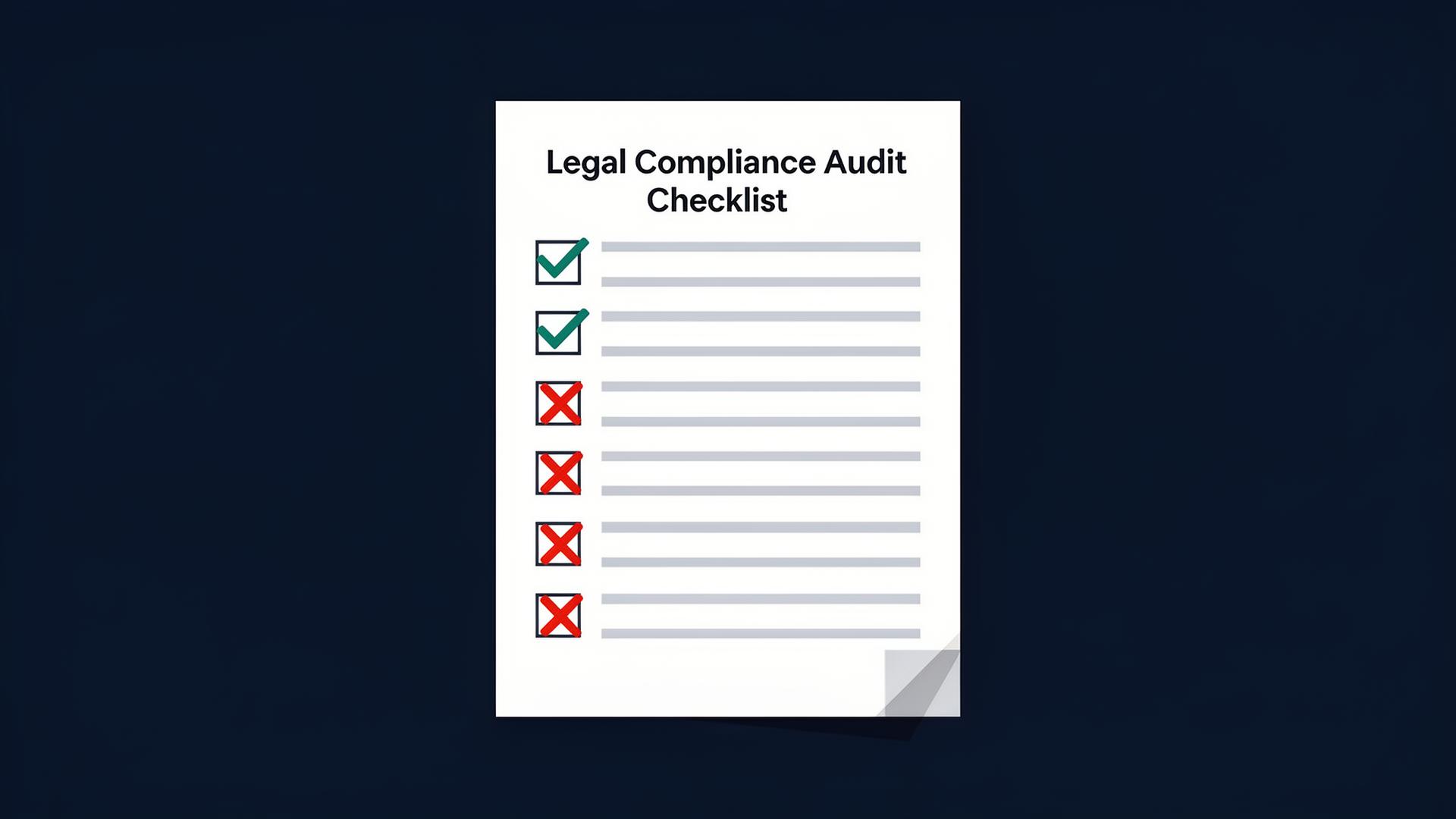
Go through every blog post on your website. Check for clickbait headlines, missing direct answers, absent attorney credentials blocks, and missing legal disclaimers. Any post that fails on these points should be updated. We manage over 40 accounts and consistently find that law firm blogs published before 2026 need significant updates to meet the new standards.
Add Attorney Credentials to Every Blog Post and Practice Area Page
Every blog post should have a credentials block near the top: "Reviewed by [Attorney Name], Licensed [State] Attorney, [Practice Area], [Years]+ years experience." Every practice area page should clearly identify the attorney or attorneys who handle that type of case, with detailed bios linked.
Update Your Attorney Bio Pages
Attorney bios on law firm websites suffer from the same problems as doctor bios on medical sites. They tend to be short, generic, and missing the substance Google needs. A strong attorney bio should include: education details with honors, bar admissions, practice focus areas, notable case results (where ethically permitted), publications, speaking engagements, bar association leadership, pro bono work, and professional recognitions. The more documented evidence of expertise, the stronger the E-E-A-T signal.
Implement Complete Schema Markup
Law firm blogs should have the same four types of schema markup that medical blogs need, adapted for legal content. Article schema for blog posts. FAQ schema for your questions section. Person schema for the attorney author. And a legal-specific web page schema that identifies the content as legal information reviewed by a licensed attorney. This structured data helps Google and AI platforms evaluate your content accurately.
Add Legal Disclaimers
Every blog post and practice area page should include a legal disclaimer: "This article is for informational purposes only and does not constitute legal advice. Every case is unique. Consult with a licensed attorney in your jurisdiction for advice specific to your situation." This is both a compliance best practice and an E-E-A-T signal that your firm handles legal information responsibly.
How This Connects to AI Search for Law Firms
AI search platforms are becoming a significant source of leads for law firms. When someone asks ChatGPT or Perplexity "who is the best personal injury lawyer in Brooklyn" or "how do I file a medical malpractice claim in New York," the AI pulls from websites that demonstrate the strongest authority signals. Complete schema, visible attorney credentials, and deep topical authority all contribute to whether your firm gets recommended. We help law firms build this visibility through our AI search optimization for lawyers.
How Doctor Rank Helps Law Firms Stay Ahead
We apply the same rigorous, tested approach to law firm SEO that we use for medical practices. We manage SEO for personal injury lawyers, family law attorneys, criminal defense lawyers, and firms with multiple practice areas. Every strategy we recommend has been tested on real accounts before we bring it to a client. Contact us for a free assessment of your law firm's SEO.
Frequently Asked Questions
Does this update affect all types of law firms equally?
The impact is proportional to how much your practice relies on content that falls under YMYL. Personal injury, medical malpractice, criminal defense, and family law firms are most affected because their content directly impacts people's legal rights and safety. Business law or intellectual property firms may be less impacted but should still follow the same quality standards.
How is this different from the medical website version of the update?
The underlying principles are identical: stronger E-E-A-T requirements, clickbait penalties, direct answers, topical authority, and local content priority. The difference is in application. Medical sites need "medically reviewed by" blocks and medical web page schema. Law firm sites need attorney credentials blocks and legal web page schema. The framework is the same but the specific credentials and disclaimers are profession-specific.
Can we ethically share case results in blog content?
This depends on your jurisdiction's bar rules. Many states allow attorneys to reference case results as long as they include appropriate disclaimers such as "past results do not guarantee future outcomes." Where permitted, case results are one of the strongest authority signals available because they demonstrate real-world experience. Check with your state bar association for specific guidance.
References and Sources
- February 2026 Discover Core Update - Google Search Central Blog
- Creating Helpful, Reliable, People-First Content - Google Search Central Documentation
- Google Search Quality Rater Guidelines - Google (PDF)
- Google Search's Core Updates - Google Search Central Documentation
Published by Doctor Rank. Strategies discussed in this article are based on our direct experience managing SEO for 40+ healthcare and legal practices. Google's algorithms evolve continuously, and what works today may shift with future updates. For a personalized assessment of how these changes affect your practice, contact our team.
Related Services
Written by
Artem Saribekyan
Artem is the CEO and founder of Doctor Rank, a digital marketing agency specializing in local SEO and AI search optimization for healthcare providers and legal professionals. Based in New York, Doctor Rank manages SEO for over 20 accounts including personal injury attorneys, family lawyers, criminal defense attorneys, plastic surgeons, dermatologists, and dental practices.
Learn more about our team